




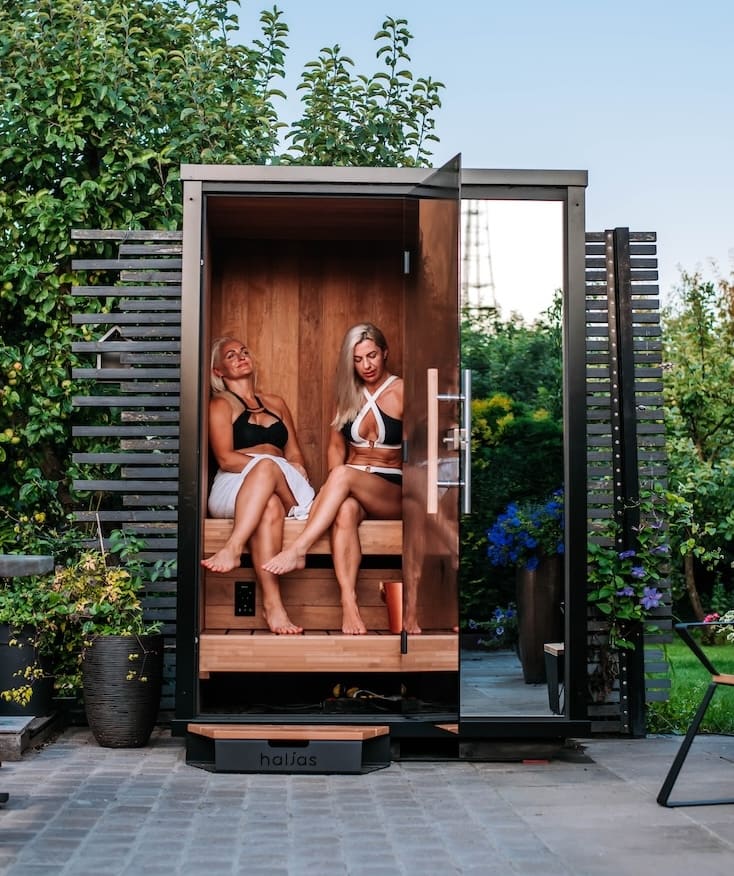


A luxury hot tub sits at the intersection of thoughtful engineering and genuine wellness design. While standard models prioritise capacity and low upfront cost, premium hot tubs are built around the bathing experience, with superior components, targeted hydrotherapy, and materials chosen to perform year-round in the British climate. This guide covers what separates a genuinely high-specification model from one that only looks the part, how to compare leading brands, what installation involves, and how to match the right configuration to your actual usage needs.
Key Takeaways
- Luxury hot tubs differ from standard models through superior insulation, targeted hydrotherapy jet design, and higher-grade shell and cabinet materials.
- Energy efficiency and water care quality determine long-term running costs more reliably than upfront price alone.
- Leading brands such as Master Spas, Jacuzzi, and Sundance Spas each have distinct engineering strengths suited to different priorities.
- Most hardwired models require professional electrical installation and must comply with UK wiring regulations and Part P of the Building Regulations.
- Matching your primary use case, whether recovery, relaxation, or social entertaining, to the right configuration leads to better long-term satisfaction than buying on brand or specification alone.
What to Look for When Choosing a Luxury Hot Tub
Most people researching a luxury hot tub arrive at the same crossroads. The specification sheets all look impressive, the photography is beautiful, and the price tags vary wildly without obvious explanation. The real question is which features will actually matter to you six months after installation.
Three areas separate genuinely premium hot tubs from aesthetically attractive but practically ordinary ones: energy efficiency, water care, and comfort design. Getting these right means years of low-maintenance, cost-effective enjoyment.
Energy Efficiency

Running costs are a hidden variable in almost every hot tub purchase, and a model that costs less upfront but draws more power will often cost more over three to five years than a premium model with superior insulation and an efficient pump system. The factors that make the biggest difference to your monthly bills are worth assessing before you buy.
- Full-foam versus perimeter insulation. Full-foam fills the cabinet, reducing heat loss considerably through British winters.
- Pump efficiency ratings. Variable-speed pumps consume substantially less energy than single-speed equivalents during circulation cycles.
- Cover quality. A well-fitted, high-density foam cover prevents significant overnight heat loss and is one of the most cost-effective protections available.
- Smart controls. Programmable heating schedules that lower the set point during off-peak hours reduce electricity draw without sacrificing readiness.
A hot tub used year-round in the UK needs to hold temperature reliably even when ambient temperatures drop close to zero. This is where construction quality becomes financially tangible rather than theoretically appealing.
Water Care and Filtration

Water care is where the ownership experience is made or broken. Poor filtration leads to cloudy water, heavy chemical use, and a maintenance burden that turns a relaxation investment into a weekend chore.
One of the most significant developments in luxury hot tub water care is the growing availability of saltwater systems. Rather than relying on traditional chlorine dosing alone, saltwater systems convert dissolved salt into a low, continuous dose of sanitiser, producing more consistent water quality, fewer manual chemical additions week to week, and a noticeably softer feel on the skin. Several premium manufacturers now offer saltwater compatibility as standard or as an integrated option across their higher-tier ranges.
Three additional features are worth looking for alongside a saltwater system. Continuous circulation pumps filter water around the clock at low energy cost, rather than relying solely on timed cycles. Large-surface filter cartridges capture finer particles and require less frequent replacement. UV-C or ozone supplementary systems reduce the chemical load needed to maintain safe water quality. A well-specified filtration system means you spend more time in the water and less time testing and adjusting it.
Comfort and Seating Design
Comfort in a luxury hot tub is not simply a matter of jet count. Bench seating, lounge positions, jet placement, and ergonomic profiling all determine whether the experience feels genuinely restorative or merely warm. Four aspects are worth assessing carefully before you commit.
- Bench versus moulded bucket seats. Bench seating tends to accommodate more body types and allows flexibility, whereas contoured seats are designed for specific postures and may suit some users more than others.
- Lounge positions. A full-length reclining lounge is particularly effective for lower back and leg therapy, though it reduces the number of seated positions available overall.
- Jet variety and positioning. Rotating shoulder jets, directional lumbar jets, and foot massage zones each serve different recovery needs; a good luxury model combines all three rather than repeating identical jets throughout.
- Headrests and water line depth. The position of moulded headrests relative to the water line determines whether you can genuinely relax your neck and shoulders or whether you are holding yourself up throughout the session.
If at all possible, a wet test before committing to a specific model is worthwhile. Sitting in a filled tub for ten minutes reveals ergonomic realities that no specification sheet can convey.
Getting energy efficiency, intelligent water care, and thoughtfully designed comfort working together is what distinguishes a hot tub you use daily from one that becomes an occasional treat. If you would like guidance on which specifications suit your garden and usage patterns, the team at Heracles Wellness is happy to talk through the options with you directly.
Comparing Top Luxury Hot Tub Brands
When you reach the shortlist stage of your research, the conversation shifts from features to manufacturers. Each brand has a distinct engineering philosophy, and the differences are worth understanding before committing to a five-figure purchase. The table below provides an at-a-glance comparison of three well-regarded manufacturers, with more detail on each in the sections that follow.
|
Brand |
Price Range |
Key Strengths |
Notable Technology |
|
Master Spas |
Varies by model and specification |
Hydrotherapy focus, wide range of sizes |
Swim spas, EcoPur filtration |
|
Jacuzzi |
Varies by model and specification |
Brand heritage, premium shell quality |
SmartTub connectivity |
|
Sundance Spas |
Varies by model and specification |
Energy efficiency, jet customisation |
Advanced insulation and circulation systems |
Pricing varies considerably depending on the specific model, optional extras, and installation requirements. VAT and delivery costs should always be confirmed at the point of purchase. Contact the team at Heracles Wellness for current pricing guidance on specific models.
Master Spas
Master Spas sits at the intersection of hydrotherapy and fitness, offering a broad catalogue from traditional relaxation models to full-length swim spas. Their hot tubs feature targeted jet placement, with seating configurations designed to address specific muscle groups rather than deliver high water pressure. The EcoPur filtration system is a recurring point of praise among buyers who prioritise water quality alongside the bathing experience, and synthetic cabinet materials are designed to hold up through the variable conditions that British gardens routinely produce.
The range is wide enough to suit most household sizes, and the tiered model structure lets you start at a more accessible price point and step up to higher-specification models as requirements dictate.
Jacuzzi
Jacuzzi is the name most people encounter first when researching hot tubs, partly due to its long history and partly because the word has entered everyday language as a generic term for any spa. That familiarity can obscure just how significant the gap is between an entry-level spa and a properly specified Jacuzzi model. There is a meaningful difference in build quality, component longevity, and hydrotherapy performance between budget alternatives and the higher-tier Jacuzzi range. That gap becomes apparent quickly in real-world use.
At the premium end of the Jacuzzi catalogue, SmartTub connectivity allows temperature scheduling and remote monitoring via a smartphone app. Shell construction uses high-grade acrylic with reinforced backing, and an established network of authorised dealers and service engineers across the UK provides reliable aftercare.
Jacuzzi suits buyers who want proven engineering, a strong aftermarket support network, and the reassurance that comes with a manufacturer carrying decades of documented product development.
Sundance Spas
Sundance Spas tends to attract buyers who place energy efficiency near the top of their criteria list. Sundance describes its spas as designed with energy efficiency in mind, using advanced insulation and circulation systems to reduce operating costs. This approach is designed to retain heat effectively over extended periods, directly impacting monthly running costs. In the UK, where outdoor temperatures drop considerably through autumn and winter, good insulation is not a cosmetic selling point. It genuinely affects how much you spend keeping the water at temperature.
Jet customisation is another area where Sundance distinguishes itself. Many models allow users to redirect water flow across different seats, so two people using the tub simultaneously can each adjust their experience independently. The HUUM Hive Flow series applies a similar philosophy to wood-burning sauna heating for buyers building a complete outdoor wellness setup.
Sundance appeals particularly to buyers who plan to use their hot tub year-round and want running costs to be predictable.
What the Comparison Reveals
Looking across all three brands, a few patterns emerge worth carrying into your final decision. Structural integrity is a consistent differentiator at the luxury tier. Reinforced shell construction, multi-layer insulation, and stainless steel components in jet housings and internal fittings are standard expectations rather than premium upgrades. Stainless steel fittings resist corrosion more effectively than lower-grade alternatives, which matters when components are in near-constant contact with treated water.
The other consistent theme is support infrastructure. Each of these brands operates through authorised dealer networks rather than generic retail channels, which means warranty claims, servicing, and technical queries are handled by people with specific product training. When something needs attention on a complex piece of equipment, that distinction is considerable.
The right brand ultimately depends on which combination of hydrotherapy performance, energy efficiency, and aftercare matters most to you, and how those priorities map to the specific models available at your budget.
Installation and Maintenance
Getting a luxury hot tub into your garden is a significant undertaking, and the installation stage is where many buyers encounter surprises they wish someone had flagged earlier.
Planning Your Installation
Before your hot tub arrives, three things need to be confirmed: the base, the power supply, and the access route.
A solid, level foundation is non-negotiable. Luxury hot tubs are substantial pieces of equipment, and when filled with water and occupants, the combined weight is considerable. A reinforced concrete pad is the standard foundation approach, and the specific depth requirement will depend on your ground conditions and the model you choose. Existing patio slabs may be adequate if they are level, structurally sound, and properly supported underneath, but it is worth having this assessed before delivery day rather than on it.
Power supply requirements vary by model. Plug-and-play hot tubs run from a standard 13A mains socket, which makes installation straightforward. Larger models with advanced heating systems or integrated water care will require a dedicated hardwired circuit, installed by a qualified electrician in line with current UK wiring regulations and Part P of the Building Regulations. Always factor in the cost and lead time for electrical work before committing to a purchase date.
Access is the detail most often overlooked. Measure every gate, passage, and side return between the delivery point and the final position. Hot tubs are bulky and do not always arrive disassembled. Sharing accurate garden access measurements with your retailer before ordering helps ensure a smooth delivery day. Free UK Mainland delivery is included on Heracles Wellness orders, and the team can advise on access requirements specific to your model before dispatch.
Routine Water Care
Once your hot tub is installed and filled, water quality requires consistent weekly attention to stay clear and safe. The core tasks are straightforward.
- pH and sanitiser testing. Test levels using a test strip or digital tester, keeping levels within the ranges recommended by your hot tub manufacturer and chemical supplier.
- Filter rinsing. Rinse filter cartridges with a garden hose to remove debris.
- Water clarity check. Cloudiness usually indicates imbalanced chemistry or an overdue filter clean.
- Waterline wipe-down. Wipe down the waterline with a non-abrasive cloth to prevent calcium build-up.
Every four to six weeks, a deeper chemical clean of the filter cartridges is advisable. Most manufacturers recommend a full drain and refill every three to four months depending on usage frequency. Saltwater systems typically require less frequent chemical intervention, though the salt cell itself needs periodic inspection and cleaning.
Seasonal Considerations for UK Gardens
During winter, keeping your hot tub running continuously at a lower standby temperature is typically more energy-efficient than allowing it to cool fully and reheating from cold. A well-insulated cover, fitted correctly after every use, does most of the heavy lifting here.
If you plan to combine hot tub use with a cold plunge routine, positioning matters. Placing a cold plunge within easy reach of the hot tub makes contrast therapy practical and enjoyable, and both units benefit from being sited on level, stable ground with nearby drainage.
In spring, after a heavy period of use or a prolonged winter, it is worth carrying out a full system flush using a pipe-cleaning product before draining, refilling, and rebalancing water chemistry. This removes biofilm that can accumulate in the internal plumbing over time.
Getting Professional Help
Professional installation is the right approach for almost every luxury hot tub. The electrical work must be carried out by a qualified electrician to comply with UK building regulations, and attempting to reduce costs at this stage is a false economy.
Beyond installation, several manufacturers offer ongoing service plans covering annual inspections, filter replacements, and water chemistry checks. If you are less confident managing water chemistry yourself, or if the hot tub is part of a holiday let or commercial wellness setup, a service plan is worth factoring into your running cost calculations from the outset.
For buyers still working through their wider setup, our buying guides cover heater selection, sauna pairing, and cold therapy equipment alongside hot tub advice so that you can make decisions across your full wellness setup with the same level of detail.
Use Cases and Recommendations
Features and specifications matter, but the more useful question is how you will actually use your hot tub and which configuration best serves that purpose. The answer shapes almost every decision, from jet layout and seating capacity to water treatment and shell design.
Hydrotherapy and Recovery
If targeted muscle relief and post-exercise recovery are your primary goals, the seating and jet configuration matters more than headline jet counts. Look for directional jets positioned at the lower back, shoulders, calves, and feet rather than banks of fixed jets that deliver pressure uniformly regardless of body position.
Purpose-built hydrotherapy features, including adjustable jet intensity, ergonomic recliner seats, and neck and shoulder clusters, mark the difference between a genuine therapy-focused hot tub and one that labels itself as such. Temperature precision also matters for recovery use. A model that holds a consistent set point without fluctuation gives you a reliable environment for contrast therapy protocols when paired with a cold plunge.
The features that matter most for hydrotherapy use are an ergonomic recliner or lounger seat with full-body jet coverage, adjustable and directional jets at the neck, lumbar, and calf positions, stainless steel jet fittings for longevity under frequent use, precise digital temperature control with minimal variance, and quiet pump operation for early morning or late evening sessions.
Relaxation and Everyday Wellness
For homeowners whose primary intention is unwinding after work rather than structured recovery, the priority shifts toward ambience, ease of use, and low-maintenance operation. A well-insulated shell with efficient heating keeps running costs manageable for year-round use, which matters when daily sessions become routine rather than occasional.
Seating layout is worth considering carefully. A three- to four-person hot tub with a mix of upright and semi-reclined seats works well for solo or couples use without feeling cavernous when not full. For everyday use, the balance is between enough features to enhance the experience and a system simple enough that you use it every day without friction.
Key priorities for relaxation use.
- Insulation and cover. A well-insulated cabinet and cover for efficient overnight heat retention.
- Controls. A straightforward digital or touchscreen control panel.
- Atmosphere. Integrated LED lighting and optional water features.
- Seating. Balanced seating with ergonomic back support.
- Water care. A water care system that minimises weekly maintenance time.
Social Gatherings and Entertaining
For households that intend to use the hot tub as a social space, capacity and layout take precedence. A five- to eight-person model with perimeter seating, rather than a fixed lounger that occupies the space of two upright seats, allows genuine conversation and flexibility for different group sizes.
Exterior cabinet finish and overall aesthetic carry more weight here, particularly for buyers investing in a landscaped garden where the hot tub will be visible year-round. Filtration capacity is also a practical priority. Higher bather loads put greater demand on the sanitation system. Hence, a model with a capable filtration cycle and easy chemical dosing keeps water consistently clean without requiring expertise between uses.
Key priorities for social use.
- Capacity. Five- to eight-person seating with an open floor plan.
- Seating style. Perimeter bench seating rather than fixed recliners.
- Filtration. High-capacity filtration suited to frequent multi-person use.
- Aesthetics. A premium exterior finish suited to a landscaped garden setting.
- Controls. Easily accessible controls positioned for use while seated.
Matching Your Use Case to the Right Decision
Most buyers fit primarily into one category with secondary priorities drawn from another. A home athlete who occasionally entertains friends still benefits most from a recovery-focused seating layout, even if capacity and aesthetics also matter. Starting with your dominant use case, then filtering by the criteria above, gives you a more reliable shortlist than working from brand reputation or price alone.
If you would like guidance on which configuration suits your specific garden layout and household, the team at Heracles Wellness is available by phone, email, or live chat. Recharge. Recover. Rejuvenate.
Leave a comment