








Sauna relaxation is the practice of sitting in an enclosed, heated space to support recovery, relieve muscle tension, and reduce stress. For health-conscious homeowners, active recoverers, and commercial buyers seeking a reliable at-home wellness setup, a well-chosen sauna can become a regular part of the week rather than an occasional treat.
The sections ahead cover the main sauna types available to UK buyers, the wellness benefits supported by research, how to integrate a sauna into your home setup, and the evidence behind sauna use as a recovery practice.
Key takeaways
- Traditional Finnish saunas operate at 65°C to 90°C and require a dedicated electrical circuit installed by a qualified electrician under UK regulations.
- Infrared saunas warm up in ten to twenty minutes, compared with the thirty to forty-five minutes a stone heater requires, and operate at a lower temperature than a traditional sauna.
- Regular sauna use may support circulation, muscle recovery, and stress relief, with many practitioners scheduling two to four sessions per week to build cumulative benefit.
- Pairing heat sessions with cold water immersion creates a contrast effect on circulation that recovery-focused users and professional athletes treat as a structured protocol.
- Choosing the right sauna format depends on your heat tolerance, garden size, and weekly routine, and the type affects warm-up time, humidity, and installation requirements.
Exploring Different Types of Saunas
Choosing the right sauna type is one of the most consequential decisions in your buying journey, and the differences between the main options go well beyond aesthetics.
Traditional Finnish Sauna

The traditional Finnish sauna is the original and most widely recognised format. It uses either a wood-burning stove or an electric heater to warm a bed of sauna stones, which then radiate heat throughout the cabin at temperatures typically between 65°C and 90°C.
Pouring water over the stones releases a burst of steam known as löyly, which raises the perceived heat and creates the humid, enveloping atmosphere that Finnish sauna culture is built around.
The experience is deeply physical. Your body works hard, your muscles soften, and the session often feels complete in a way other heat formats don’t quite replicate. As customers who have worked through this process with Heracles Wellness consistently note, there is a reason this format has endured for so long.
A traditional home sauna generally requires a dedicated electrical supply or a well-managed wood-burning setup, and installation must be carried out by a qualified electrician to comply with UK wiring regulations. Factor this into your planning from the outset, ideally before you settle on a location.
Infrared Sauna

Infrared saunas operate on a fundamentally different principle. Rather than heating the cabin air, infrared saunas emit radiant heat absorbed directly by the body, using carbon-fibre or ceramic panels mounted inside the cabin.
The operating temperature is lower than in a traditional sauna, and the warm-up period is considerably shorter, usually between ten and twenty minutes rather than the thirty to forty-five minutes a stone heater requires.
The environment feels drier and less intense, which some users find easier to tolerate for longer sessions, and the lower electrical draw can simplify installation requirements. The R Insignia Infrared Sauna is one example of a purpose-built infrared unit designed for home use, offering a shorter heat-up time alongside the distinct radiant warmth this format produces.
Hybrid Sauna

A hybrid sauna combines both heating systems in a single unit, giving you the flexibility to run a traditional steam session one evening and a quieter infrared session the next. This format suits households with different preferences, or those who want to explore both modalities over time without committing to one approach permanently.
The trade-off is a higher initial cost and a cabin designed to accommodate both systems, which affects the internal layout and available bench space. The three formats sit at different points on a spectrum of intensity, warm-up speed, and humidity, and the right fit depends on how you plan to use the sauna week to week.
The Health Benefits of Sauna Relaxation
Regular sauna use improves** cardiovascular function, muscular recovery, and stress regulation**.
These are the reasons professional athletes have used heat therapy as a structured recovery tool for decades, and the same logic applies when you integrate a home sauna into your weekly routine. Founder Brian’s seven-plus years working with professional athletes on recovery shaped Heracles Wellness’s product selection around exactly these priorities.
Circulation and Cardiovascular Support
Sitting in a traditional Finnish sauna raises your heart rate. It dilates your blood vessels in response to the heat, a physiological response that increases blood flow throughout the body in a way that broadly resembles the circulatory effects of moderate physical activity.
Research indicates that this cardiovascular response can be observed within the first fifteen minutes of a session, making even a single heat exposure meaningful for circulation. For homeowners who spend much of their workday seated, that shift in circulatory demand may support overall cardiovascular health over time. However, sauna use complements regular activity rather than replacing it.
Muscle Recovery and Physical Restoration
Heat promotes muscle relaxation and supports the clearance of metabolic by-products that accumulate after exercise, which is why recovery-focused athletes treat a post-training sauna session as a structured part of their programme. Many practitioners schedule two to four sessions per week to build cumulative benefits rather than relying on occasional use.
When combined with a cold plunge, the contrast between heat and cold immersion creates a cyclical effect on circulation that many users report as particularly effective for reducing post-exercise soreness and restoring a sense of physical readiness. Customers who follow a contrast routine often describe the combination as qualitatively different from either practice on its own.
Stress Relief and Mental Wellbeing
The effect of sauna heat on the nervous system is one of its most widely valued qualities. Time in the heat encourages a parasympathetic state associated with rest and deep mental unwinding that is difficult to achieve through other means, and regular users often report improved sleep quality after several weeks of consistent sessions.
Integrating sauna relaxation into a routine works best when sessions are treated as intentional rather than incidental, and reviewing infrared sauna cost options early helps you plan a setup that fits your budget and schedule. A consistent schedule of two to four sessions per week allows the body to adapt and benefits to build over time. Three areas are worth considering as you structure your routine.
- Session timing. Evening sessions suit most people because the post-sauna drop in core body temperature can support sleep onset, though morning use after exercise is equally valid.
- Duration and temperature. Most practitioners recommend keeping individual rounds to a manageable length, with a rest period between rounds to allow the body to recover gradually.
- Hydration. Sweating during a sauna session represents a meaningful fluid loss, so drinking water before and after each session is a straightforward and important practice.
Integrating Saunas into Your Home Wellness Space
Planning where and how your sauna will sit within your home takes more thought than most buyers expect, and getting the groundwork right before delivery saves considerable time and frustration later. The decisions you make around siting, power supply, and ongoing care will shape how much you actually use the space once it is installed.
Choosing the Right Location
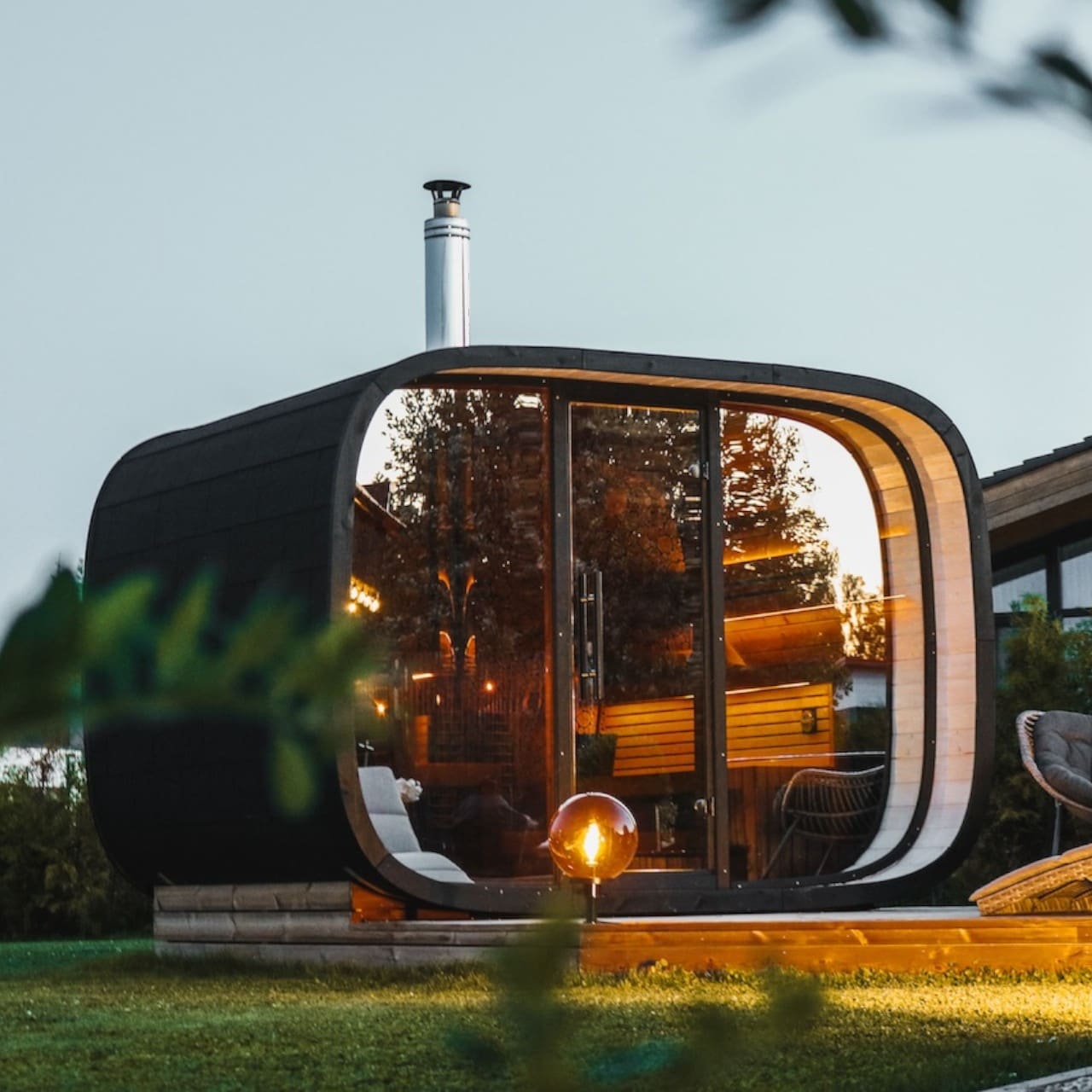
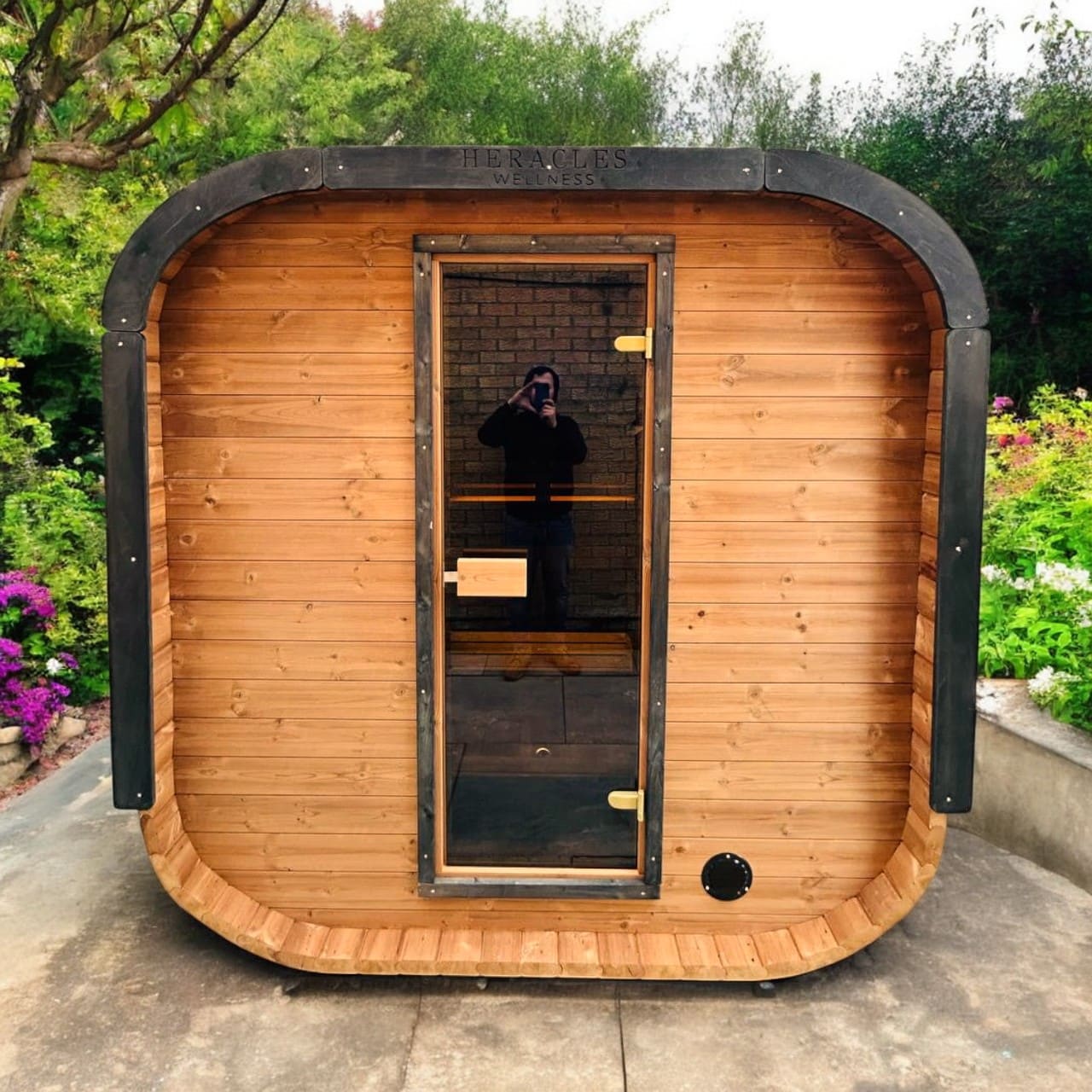
The first question is whether your sauna will live outdoors in the garden or indoors within an existing structure. Outdoor installations suit most UK homeowners because they separate the sauna experience from the rest of the house, and a well-positioned barrel or cabin sauna can become a genuine garden feature through all four seasons of British weather.
Indoor installations in a garage, outbuilding, or utility room work well where outdoor space is limited, though ventilation requirements need more careful planning in an enclosed building.
Whichever site you choose, three practical factors are worth resolving before committing to a position.
- Ground preparation. A stable, level base is essential for any sauna structure. Concrete slabs, paving, or a properly engineered timber deck all provide suitable foundations, and the ground should drain freely to prevent moisture build-up beneath the unit.
- Clearance. The structure needs adequate space around it for ventilation and safe access. Allow enough clearance on all sides so ventilation openings are never obstructed and routine maintenance, such as oiling the exterior timber, remains straightforward.
- Access routes. Cabin saunas and larger barrel models arrive in panels or pre-assembled sections that require a clear pathway from the delivery vehicle to the installation point. Narrow side gates and steps can complicate delivery, so flag these early with your supplier.
Electrical Supply and Installation
Most home saunas designed for traditional Finnish-style heat require a dedicated electrical circuit rather than a standard 13A plug, and the specific electrical specification will depend on the heater’s output rating. That work must be carried out by a qualified electrician in compliance with UK wiring standards and the relevant building regulations, and it is worth obtaining a quote from an electrician before your sauna arrives so there are no delays on installation day.
Infrared saunas typically warm up faster and can operate on lower-draw circuits. The same principle applies regardless of format. Confirm the electrical requirements with your supplier before booking an electrician, and keep that specification in writing so your electrician has everything needed to plan the work accurately.
Ongoing Maintenance
A well-maintained sauna will perform reliably for well over a decade, and the upkeep is less demanding than most buyers assume. The main tasks fall into three areas.
- Timber care. The interior bench wood and exterior cladding benefit from periodic oiling, particularly in the first year of ownership. Thermowood cladding is heat-treated for enhanced weather resistance, and regular application of a maintenance oil keeps the timber in top condition and extends its service life in the British climate.
- Heater and stones. Sauna stones should be inspected periodically and replaced when they begin to crack or crumble, as degraded stones affect heat quality and löyly.
- Ventilation checks. Keeping intake and outlet vents clear ensures proper airflow, which protects the timber interior from excess moisture retention over time.
Customers such as Aditi and Tom Firmin have noted that questions were answered promptly and in full, at whatever hour they arose.
Sauna Relaxation and Your Recovery Routine
Regular sauna use may support relaxation and recovery, and users who maintain two to four sessions per week consistently report improvements in sleep quality, muscle readiness, and general stress levels in the weeks that follow. Whether you are drawn to the deep humid heat of a traditional Finnish steam session, which reaches 65°C to 90°C and involves active steam generation through löyly, or the gentler radiant warmth of an infrared cabin operating at a lower temperature than a conventional stone heater, the session you experience produces real physiological effects in the hours that follow.
Pairing heat with cold water immersion builds on those effects, because the contrast between elevated and reduced temperatures creates a cyclical demand on your circulatory system that many recovery-focused users describe as particularly restorative. That combination is why serious recovery routines, including those used by professional athletes, treat the sauna and cold plunge as a system rather than separate options.
Practical decisions matter as much as the wellness principles behind them. The four areas most likely to shape your outcome are worth revisiting before you commit to a purchase.
- Type selection. Barrel, cabin, infrared, and hybrid saunas each suit different garden sizes, usage patterns, and heat preferences, and getting this right early avoids costly changes later.
- Health context. The reported sauna-after-workout benefits and what the evidence shows help you set realistic expectations and use your sauna safely.
- Site planning. Foundation, power supply, garden access, and ventilation all need to be resolved before your sauna arrives, so that delivery and installation proceed without delay.
- Recovery integration. Scheduling your sessions, managing hydration, and deciding where a cold plunge fits in your routine determines how much value you actually get from the equipment.
Taken together, these decisions represent a significant but rewarding investment in your long-term health infrastructure. The Heracles Wellness team, including Brian, Keith, and Abdullah, is available by phone, email, or live chat to walk you through each of them.
Frequently asked questions
How often should I use my sauna or cold plunge?
For most people, using your sauna or cold plunge two to four times a week is a practical starting point. This frequency allows you to build a consistent routine while giving your body adequate time to rest between sessions. Your ideal schedule may vary depending on your lifestyle and how your body responds, so it is worth adjusting over time to find what works best for you.
What is the difference between a traditional sauna and an infrared sauna?
Traditional saunas operate at temperatures between 65 and 90 degrees Celsius and typically require a 30- to 45-minute warm-up before the space reaches your desired heat level. Infrared saunas run at lower temperatures and need only 10 to 20 minutes to warm up, making them a quicker option if time is a consideration. Both styles offer a distinct experience, so the right choice comes down to personal preference and how you like to use your sauna.
Do I need an electrician to install a sauna or cold plunge?
Yes. Most saunas and cold plunge units require a dedicated electrical circuit, which means a licensed electrician will need to carry out the installation work. This ensures the unit runs safely and meets local electrical requirements. Our team can walk you through what to expect during the installation process when you get in touch.
How do I maintain my sauna or cold plunge?
Keeping your sauna in good condition involves a few straightforward tasks. For timber surfaces, applying a suitable oil periodically helps preserve the wood and keep it looking its best. If your sauna uses stones, check them regularly and replace any that have cracked or deteriorated to maintain consistent heat. Keeping vents clear is also important to ensure proper airflow throughout the cabin. For cold plunge units, follow the manufacturer’s guidelines for water care and filtration to keep the system running smoothly.
Can I use a sauna and cold plunge together?
Pairing a sauna session with a cold plunge is a popular way to use both products, and many people incorporate contrast bathing into their regular wellness routine. Moving between heat and cold can be refreshing, and having both units at home makes it easy to build this into your day on your own schedule.
Leave a comment