



Understanding the Cost of Installing a Hot Tub in the UK
Adding a hot tub to your garden rewards careful planning well before you hand over any money. The headline price is only part of the picture. Electrical work, groundwork, access,...




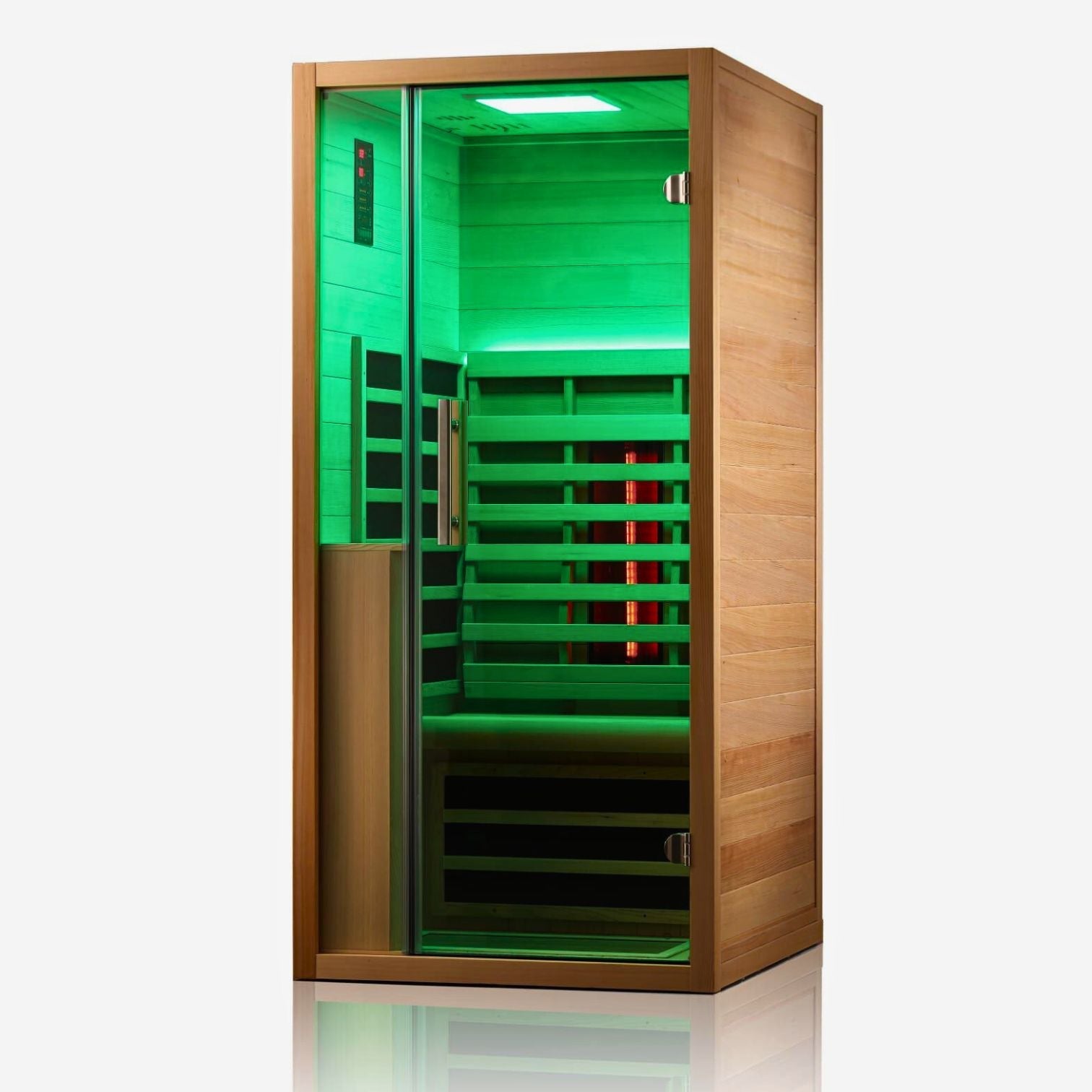
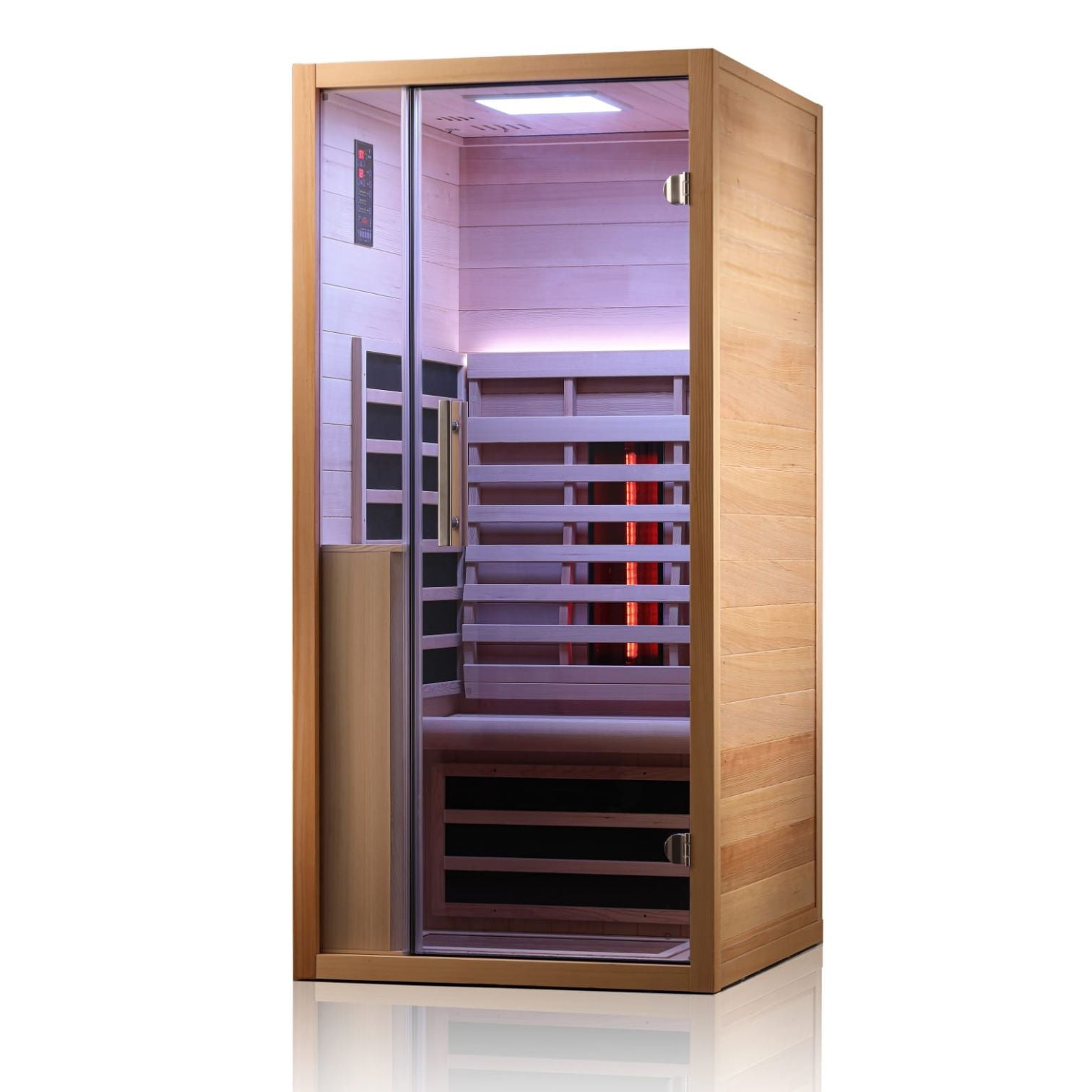


A single sauna, sometimes called a 1 person sauna or solo sauna, is a self-contained cabin sized around one user rather than a couple or family group. This makes it one of the most space-efficient ways to add a sauna to a home, whether the intended spot is a spare room, garage corner, or a small patch of garden.
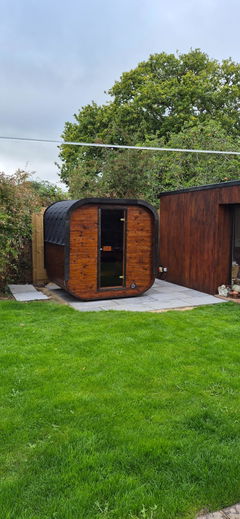
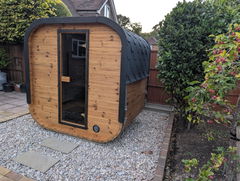
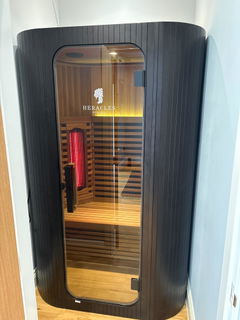
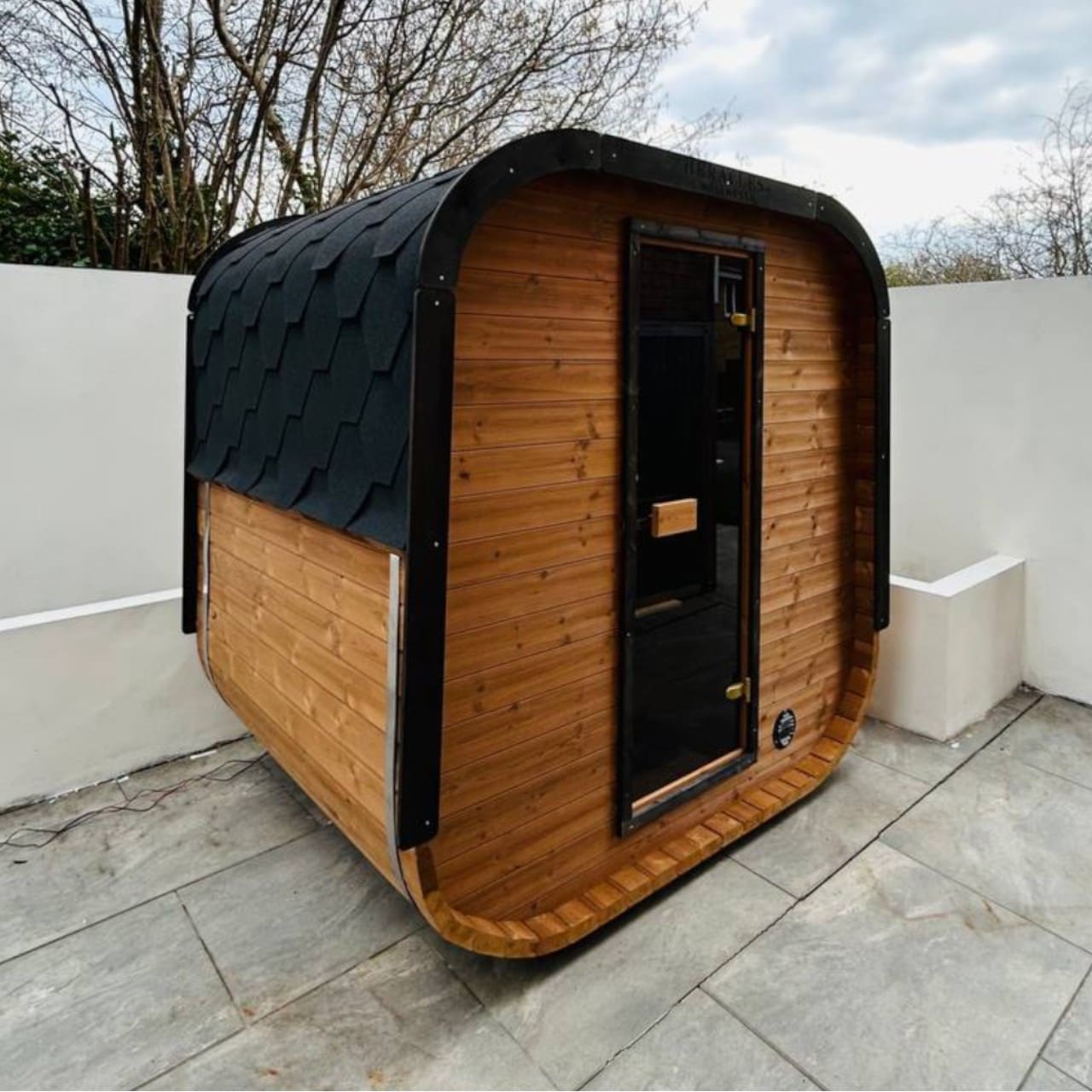
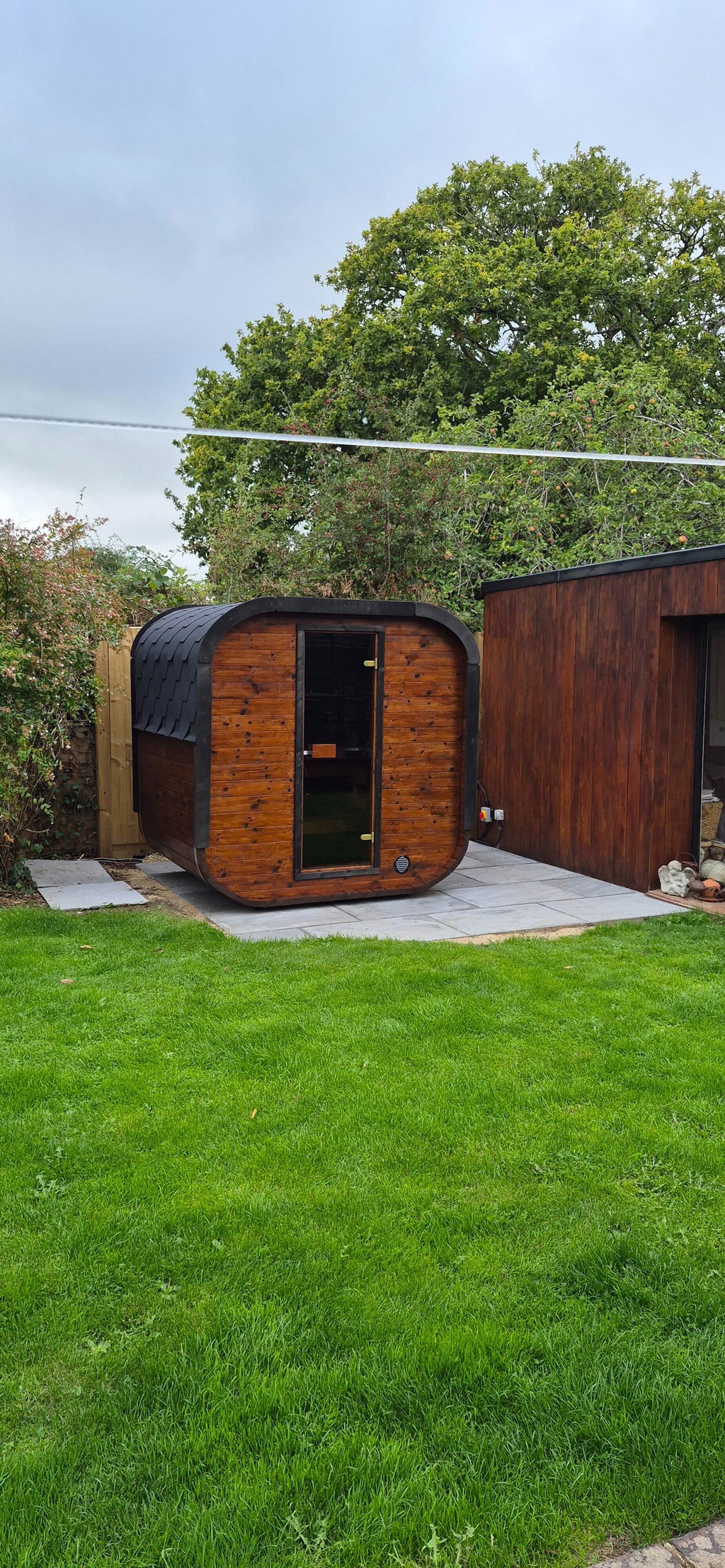
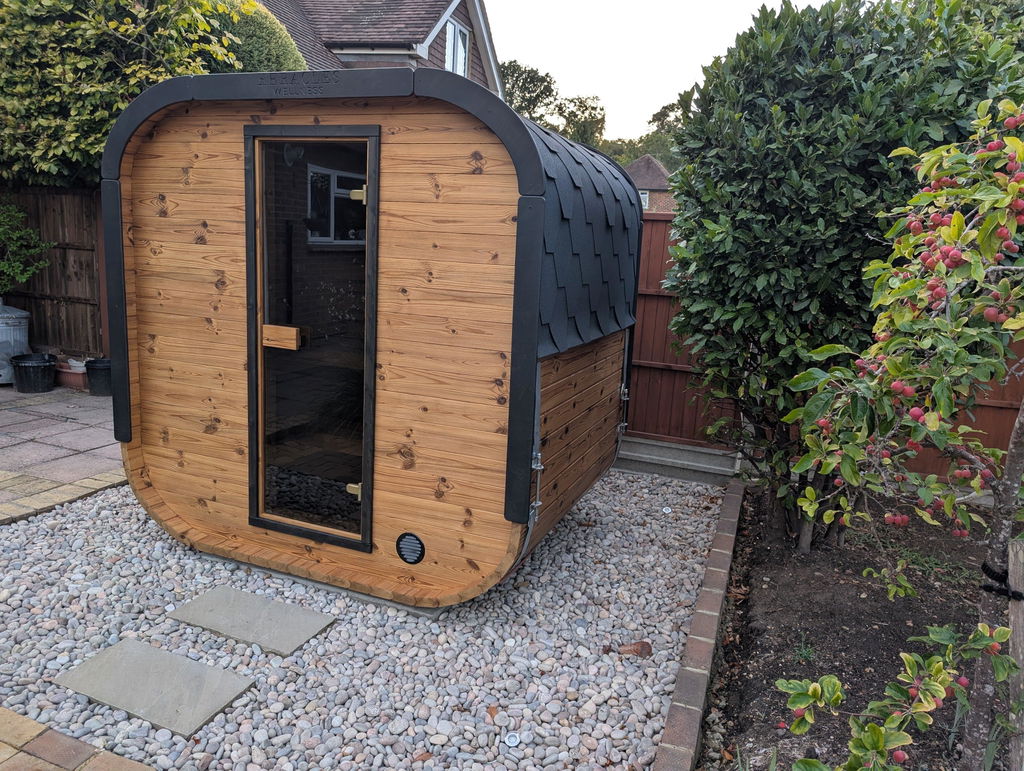
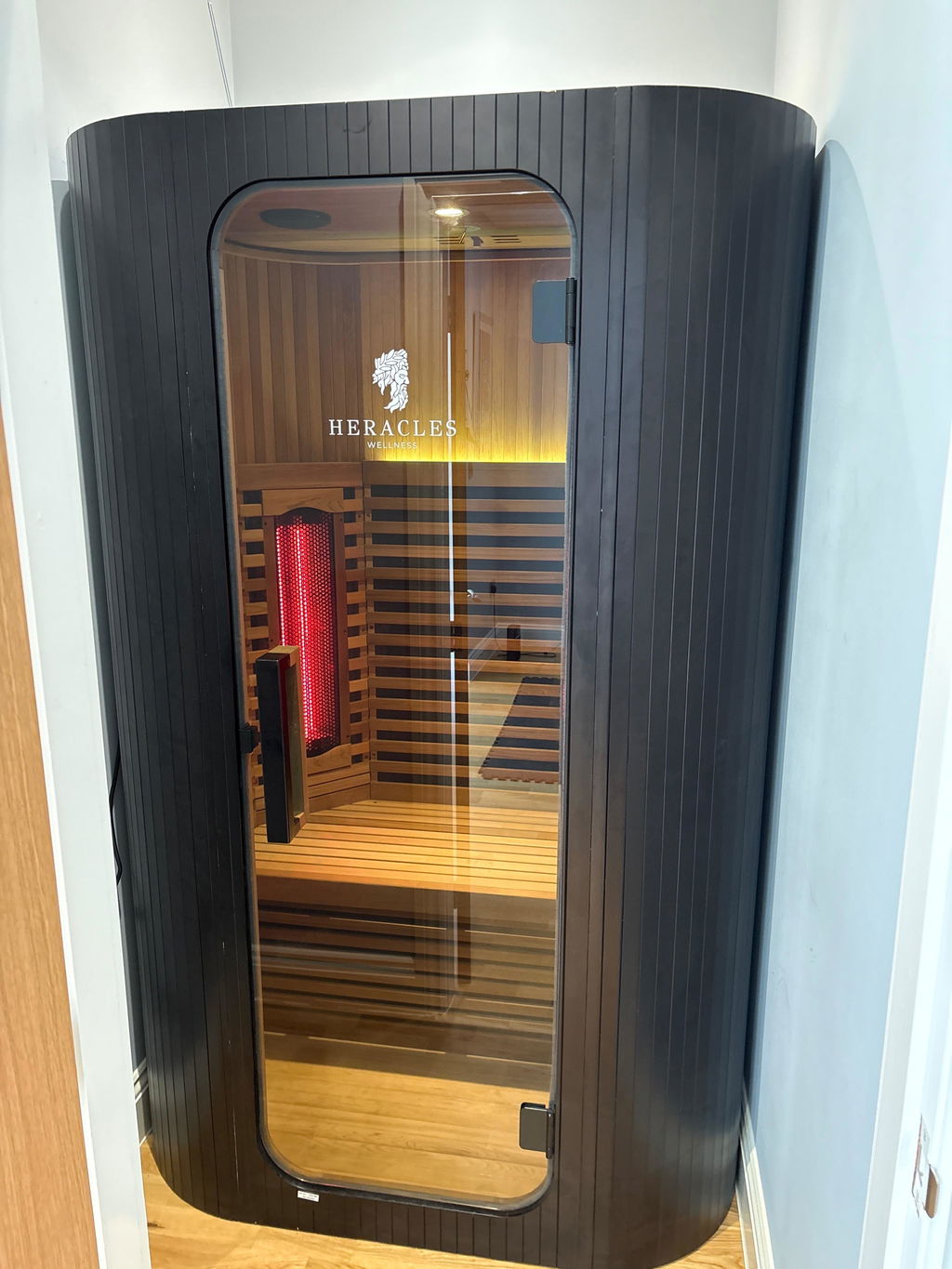
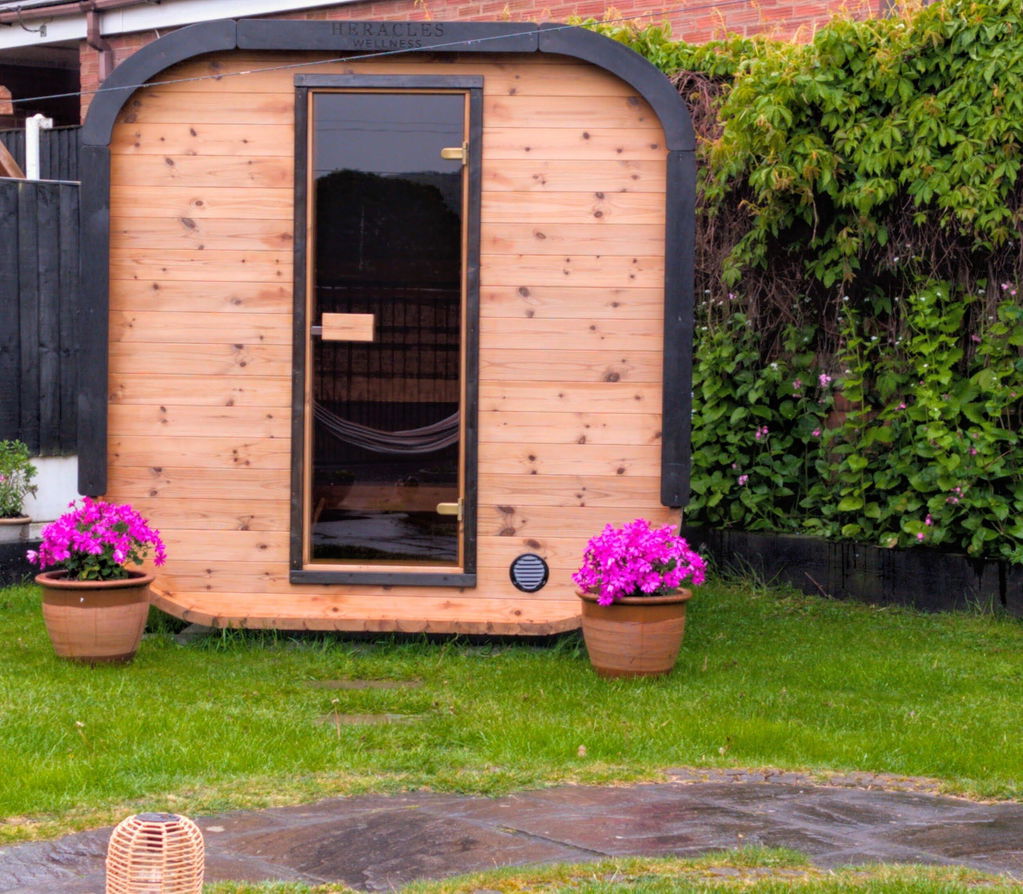
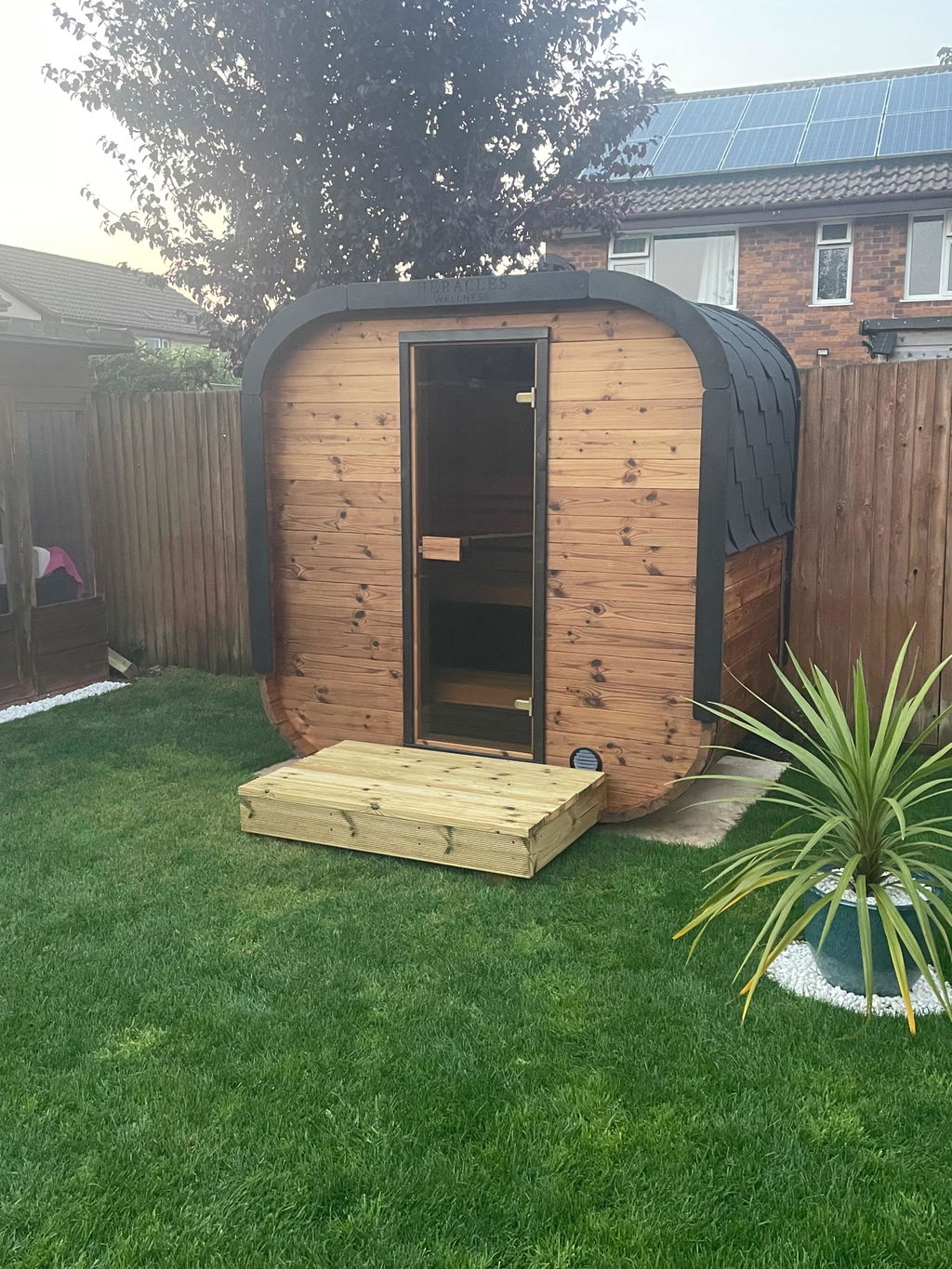
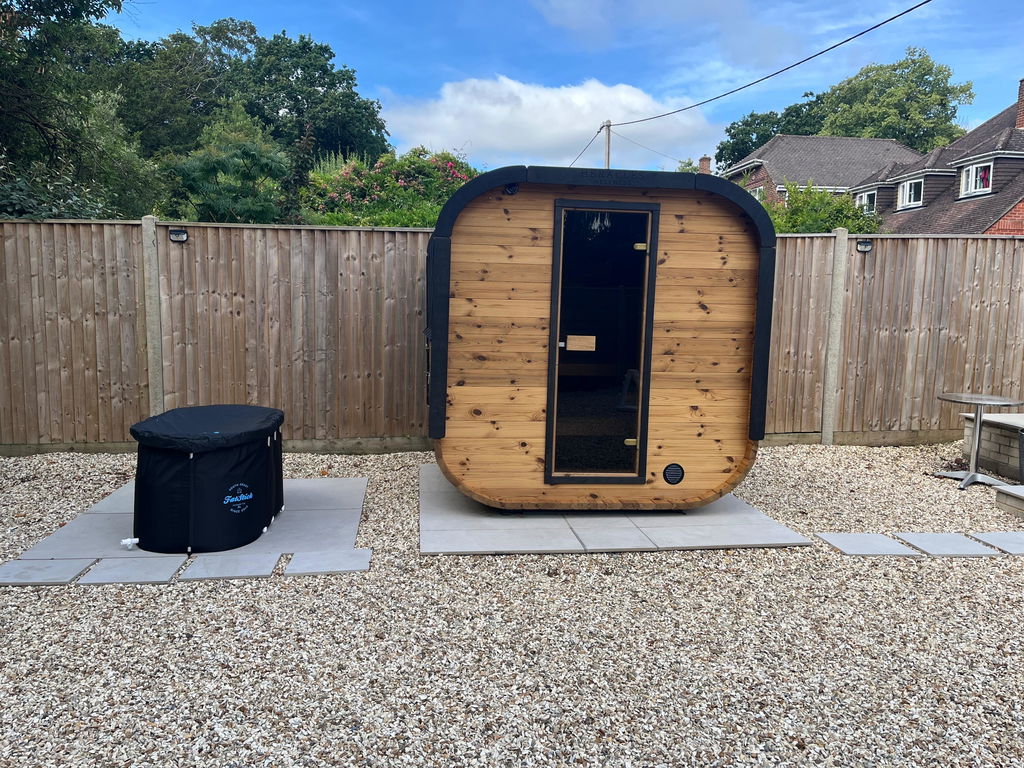
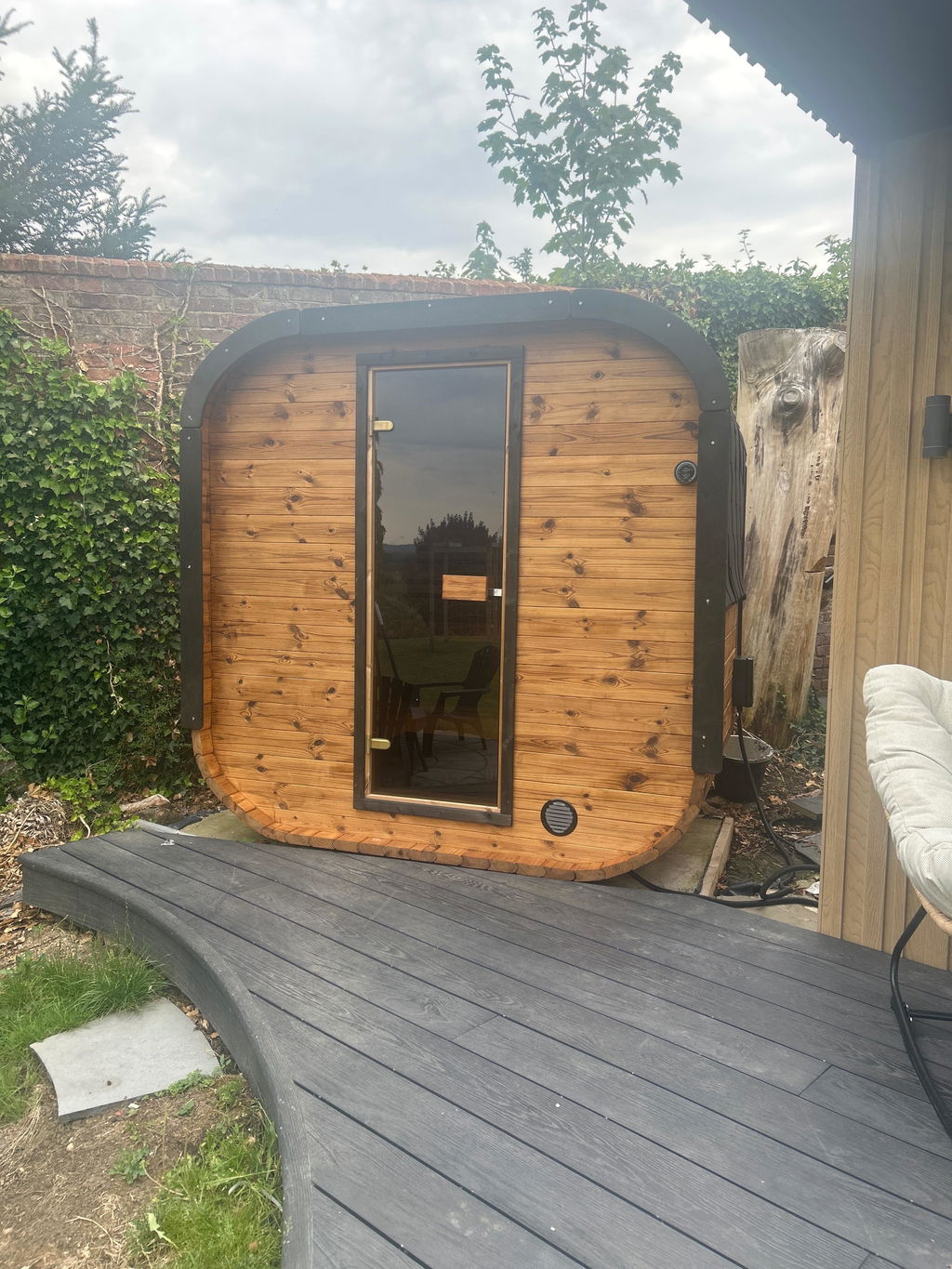
Indoor single saunas are built for spare rooms, home gyms, and dedicated wellness corners, using compact panel systems that are generally quicker to install than an outdoor cabin. Outdoor single saunas, such as a compact thermowood cabin, are designed to sit on a patio or in a garden, with weather-resistant construction built to perform through UK winters as well as summers. Both formats can be finished to a similarly high standard, so the decision usually comes down to available space rather than a compromise on quality.
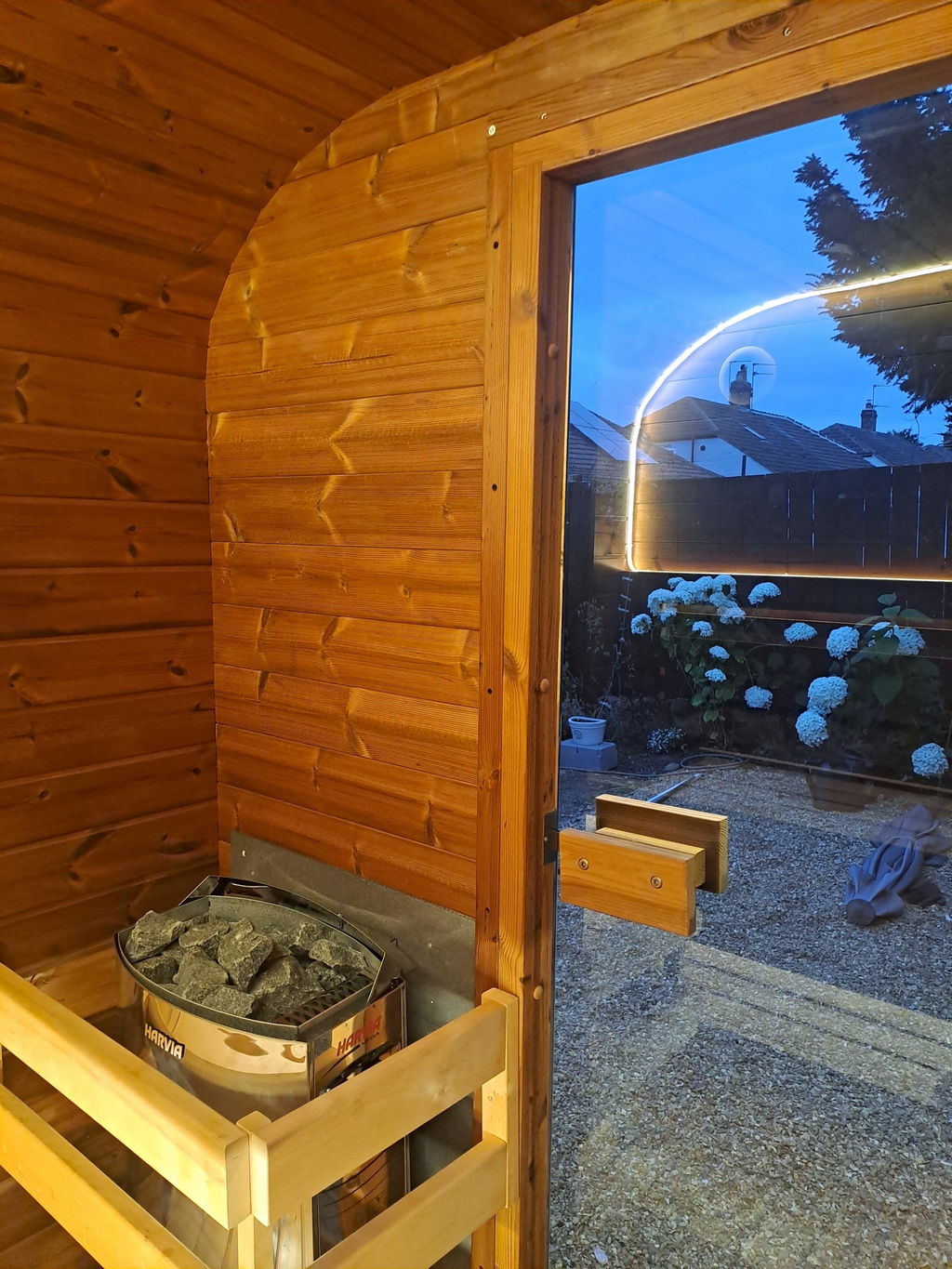
A traditional single sauna uses an electric heater and sauna stones to build ambient heat, typically reaching 65°C to 90°C, delivering the classic steam-based experience associated with a Finnish or Estonian sauna. An infrared single sauna warms the body directly at lower temperatures, generally 45°C to 60°C, and tends to suit those who want a gentler session or find higher ambient heat uncomfortable. Some models combine both systems in one cabin, allowing the heating style to be switched depending on preference from one session to the next.
Selecting the right single sauna comes down to matching the cabin's footprint and heater to the room or garden space available.
Compact indoor and infrared single saunas typically need a floor area of around 90cm to 130cm wide, while outdoor thermowood cabins built for one to two people usually require a base of roughly 1.7m x 1.2m or similar, plus clearance for the door to open and for routine maintenance access. Checking both the external footprint and the internal height against the intended space avoids ordering a cabin that technically fits but feels cramped in daily use.
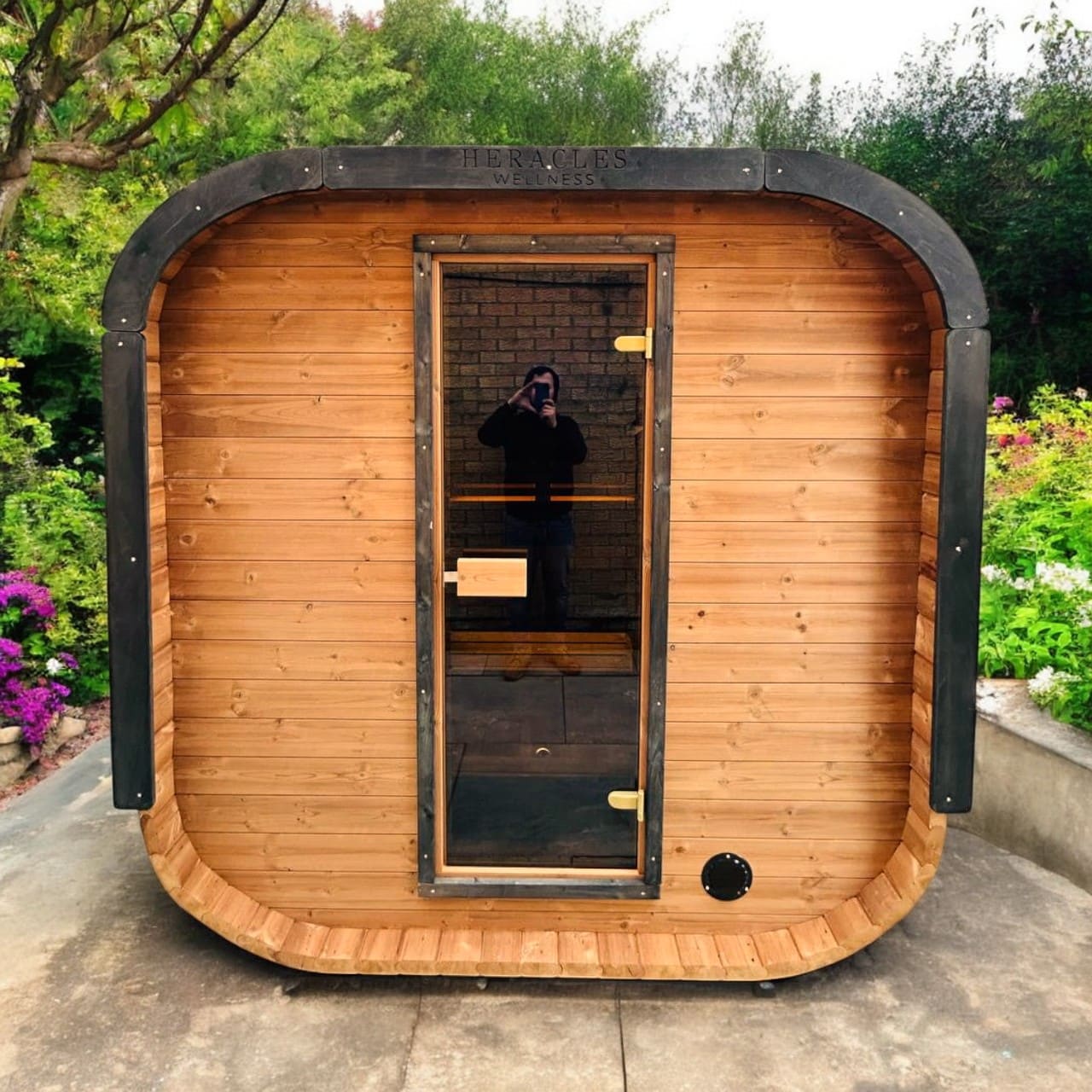
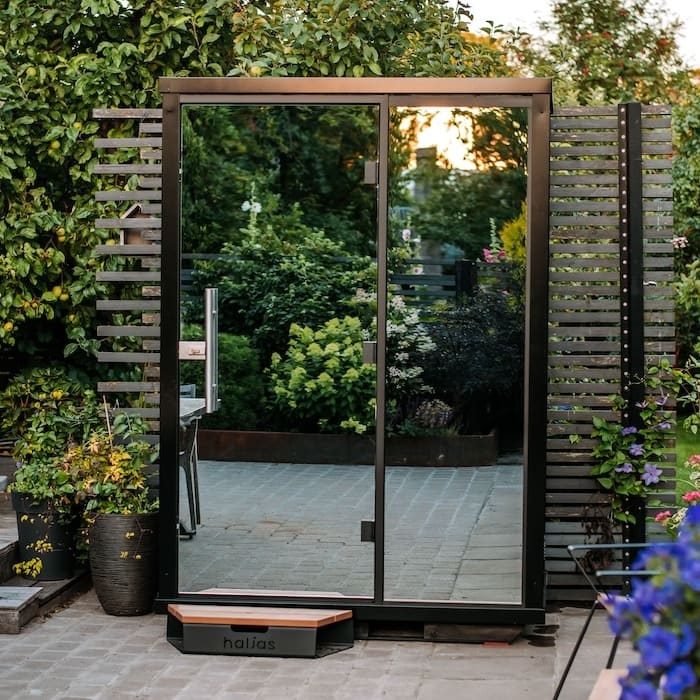
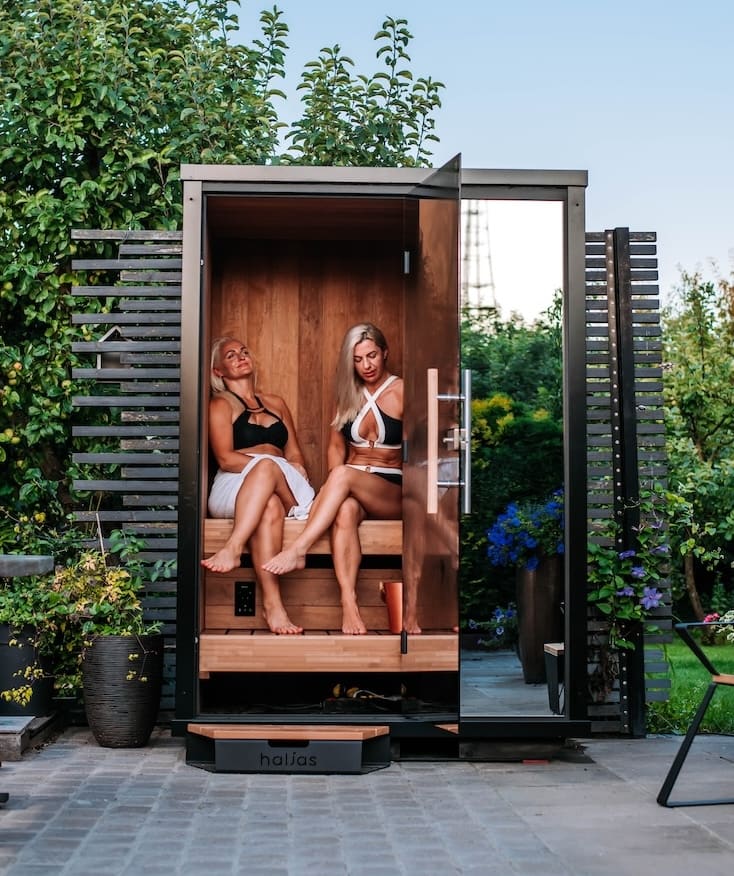
A compact outdoor traditional cabin built for one to two people typically has an external footprint of around 1.67m wide by 1.2m deep, with an internal volume of roughly 3m³, making it suitable for patios and smaller gardens where a larger cabin would not fit. At the more premium end, a compact Estonian-made outdoor single sauna can offer a footprint as small as 1.6m² of coverage area, with a slatted timber exterior and glazed door designed specifically for urban gardens, patios, and roof terraces. Comparing footprint figures like these against the actual space available is a more reliable way to choose a single sauna than relying on capacity labels alone.
A single sauna generally needs a heater in the 3kW to 4.5kW range, since a smaller interior volume requires less power to reach and hold temperature than a multi-person cabin. Compact outdoor models paired with a heater in this range typically reach 70°C to 80°C within 20 to 45 minutes of switching on, depending on the specific heater and cabin size. All electric heaters, regardless of size, should be connected by a qualified electrician using a dedicated circuit sized to the heater's power rating.
Build quality has a direct effect on how efficiently a single sauna heats up and how long it continues to perform well.
Compact outdoor single saunas in this collection are generally built from thermowood or premium Nordic timber, both of which are heat-treated or selected specifically for dimensional stability and resistance to moisture, warping, and decay in outdoor conditions. Wall thickness matters even in a small cabin, since thicker boards retain heat more efficiently once the sauna has reached temperature, reducing the time and energy needed to maintain it during a session.
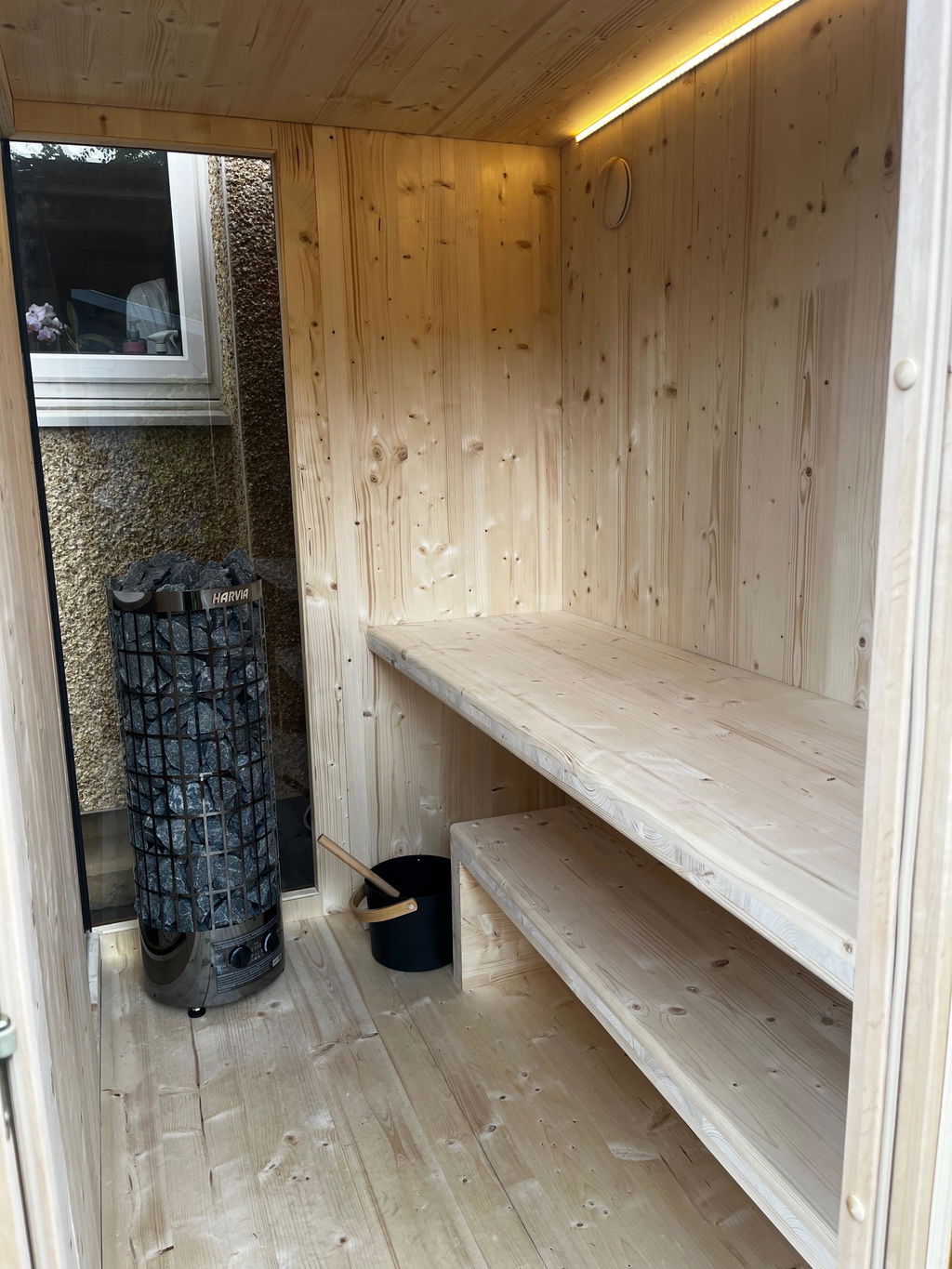
Indoor and infrared single saunas are more commonly built from Nordic spruce or Canadian hemlock, both of which are naturally resistant to moisture and hold up well in the more controlled environment of an indoor room. These materials also tend to keep the overall cabin lighter than an outdoor-rated thermowood structure, which suits indoor installation where the sauna does not need to withstand direct weather exposure.
Every single sauna needs a suitable base or floor area and a correctly specified electrical connection, regardless of whether it is sited indoors or outdoors.
Most single saunas, indoor or outdoor, are supplied as a flat-pack kit with comprehensive assembly instructions, and a compact one-person cabin is generally quicker to build than a larger multi-person model given its smaller scale. Professional installation is available for those who would prefer the build handled by an experienced team, which is particularly useful for outdoor models needing a prepared base.
Single sauna heaters typically run on a standard single-phase 230V domestic supply, with smaller 3kW to 4.5kW heaters drawing considerably less current than the larger heaters fitted to multi-person cabins. A dedicated circuit and, at minimum, an isolator switch are required in every case, and confirming the exact specification of the chosen heater with an electrician before ordering allows the electrical work to be planned ahead of delivery.
A single sauna is generally the most economical sauna format to run, since a smaller heater and smaller air volume both reduce the electricity used per session. Running a compact 1 person sauna typically costs a modest amount per hour at current UK electricity rates, with infrared models usually costing less to run than traditional electric heaters given their lower operating temperature. Heat-up time follows a similar pattern, with infrared cabins generally reaching their operating temperature in 10 to 20 minutes, while traditional single saunas take a little longer, typically 20 to 45 minutes, to reach a comparable steam-based session temperature.
Beyond the practical considerations of space and heater choice, regular use of a single sauna is associated with a range of wellness benefits that make the investment worthwhile for many individuals.
Repeated heat exposure raises the heart rate in a way that mimics mild aerobic activity, supporting circulation over time with consistent use. Increased blood flow to muscle tissue during a session can also support recovery after exercise, which is one reason a personal sauna is popular among individuals with an active lifestyle. Beyond the physical effects, having a dedicated, private space to step away from daily demands offers a mental reset that many regular users value as much as the physical benefits themselves. Because a single sauna is used solo, sessions can be scheduled flexibly around one person's routine without needing to coordinate with others.
A single sauna suits individuals living alone, households where only one person uses the sauna regularly, and anyone working with a genuinely limited footprint, whether that is a small garden, a spare room, or a corner of a home gym. It is also a sensible starting point for first-time sauna owners, since a smaller cabin is quicker to heat, less demanding on the electrical supply, and more affordable than a multi-person model. Those who expect to share sessions with a partner or use the sauna socially are usually better served by a two-person or larger cabin instead.
Not every buyer will settle on the same format, and it is worth comparing options before making a final decision. Those prioritising a garden installation can compare the wider outdoor saunas range, which includes compact one and two-person cabins alongside larger multi-person models. Anyone without outdoor space at all may prefer to browse the indoor saunas collection, built specifically for spare rooms and interior wellness areas. Buyers drawn to radiant heat rather than traditional steam can compare the dedicated infrared home saunas range, which spans both indoor and outdoor formats. For finishing touches, the sauna accessories collection covers everything from stone care products to lighting upgrades, and the sauna heaters range sets out heater options suited to smaller cabin volumes specifically.
A single sauna does not need to compromise on the core wellness experience. Whether the priority is a compact outdoor thermowood cabin or an indoor infrared unit for a spare room, matching footprint, heater power, and material to the space available is the most reliable way to get a sauna that performs well for years of regular use. Visit Heracles Wellness to browse the full range and get guidance on the right single sauna for a specific space.
I am very happy with the Camilla Sauna. I elected for the Sauna to be constructed by Heracles which I'd recommend as the fitters know exactly what they are doing and it's more than a normal DIY job. My elecrician found it trickey to wire in but once sorted the results are excellent. The Sauna is a good size and will fit 4 people easily. It heats up quickly and looks good. Great value against some others.
Had the Camilla 3-4 person sauna installed by the Heracles team — delivered and fully assembled the same day.
Our electrician needed a bit of time to get to grips with the wiring, but Abdul from customer support helped talk him through it. Abdul was helpful throughout, always quick to respond to questions.
Heats up quickly in the current weather, though we haven't tried it in winter yet so can't speak to performance in colder conditions.
Very happy to recommend Heracles.
From my initial enquiry to installation Keith from Heracles has been very helpful. The whole buying journey was smooth and customer focused. The installation team were on time and cleaned up after installing the sauna. The sauna itself is great quality and looks even better than the website photos. Highly recommend this product
Summary: A great sauna and more importantly a very good experience buying, installing and minor issue resolution.
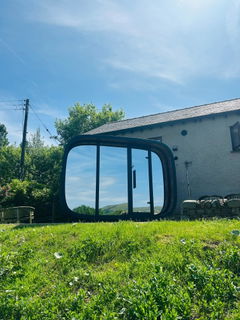
I bought this sauna for a holiday let I own in the Lake District. Keith and the team talked me through the options particularly as this is quite an exposed location. Unlike the other companies I spoke to, they were very upfront about the work needed and costs to install above the unit purchase price.
Unit bought and arranged a few weeks ahead when I didnt have guests and I would be in the area and on hand. Team and pack arrived at the right time and installed without issue. The electrician then attended the following day from a list of recommendations who also did a straight forward ontime on price good job.
A couple of months on there was a minor issue with the door and teh huum controller, both sorted very quickly and not noticed by the holiday guests
I am sure you can buy a cheaper sauna but in this case I have no issues during and after the installation. Will use again when I need more equipment like this in future
This is a very high quality product, backed by exceptional service from all members of the team.
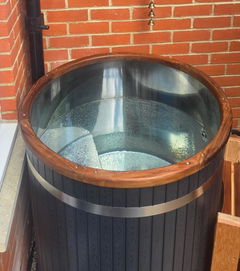
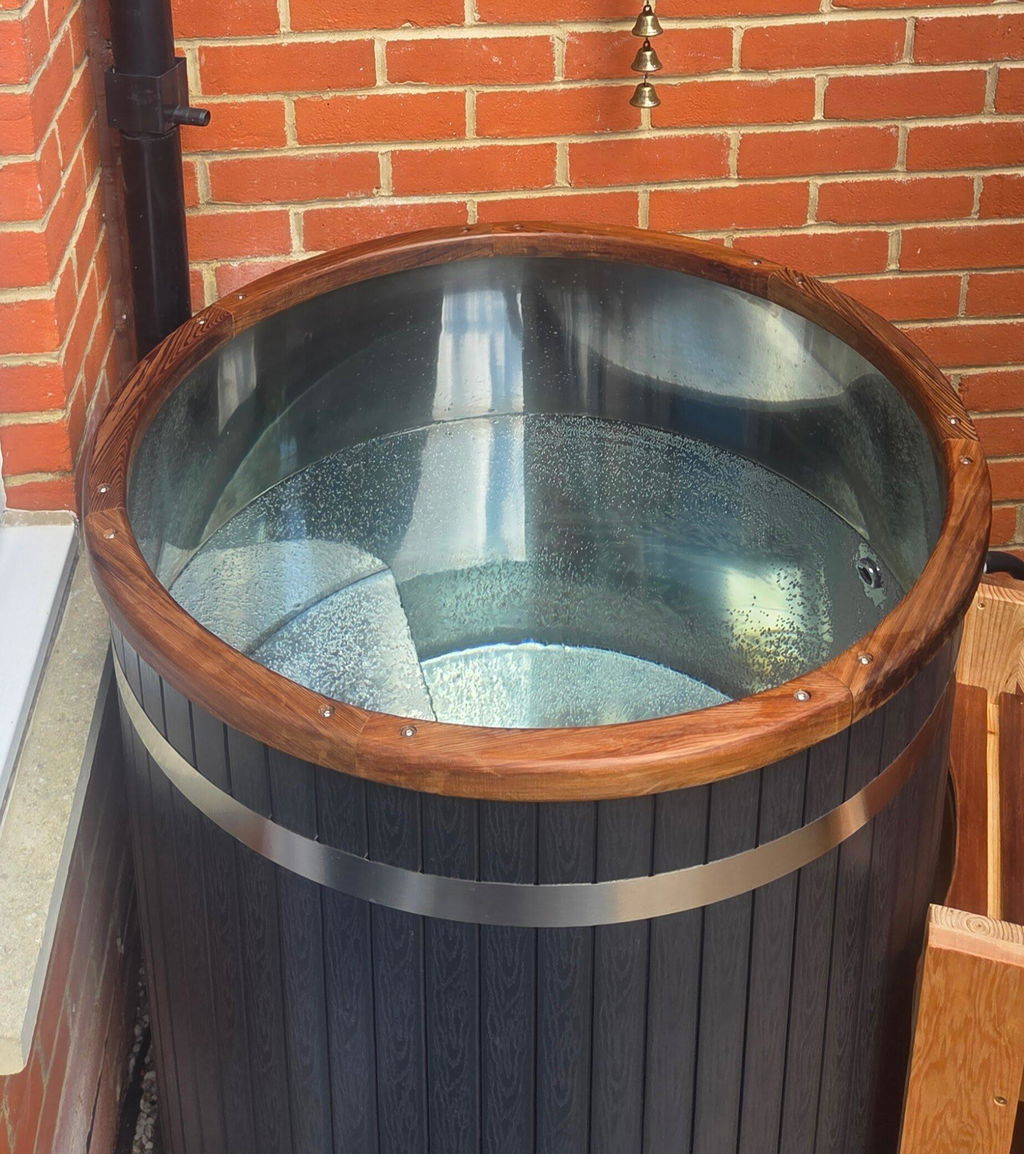
The ice bath is beautifully constructed and feels really to use The seat is deep enough to get water over the shoulders and you can fully submerge as needed.
The chiller is easy to use on the app, gets the water cold quickly and maintains a clean and cold bath ready to use any time.
Pairs beautifully with the sauna, thank you Keith, Pawel and the rest of the team!
We're super happy with the Leil Patio sauna. Not only it looks great it seems extremely well built. Keith's team did a great job assembling it and we're looking forward to many sauna sessions.
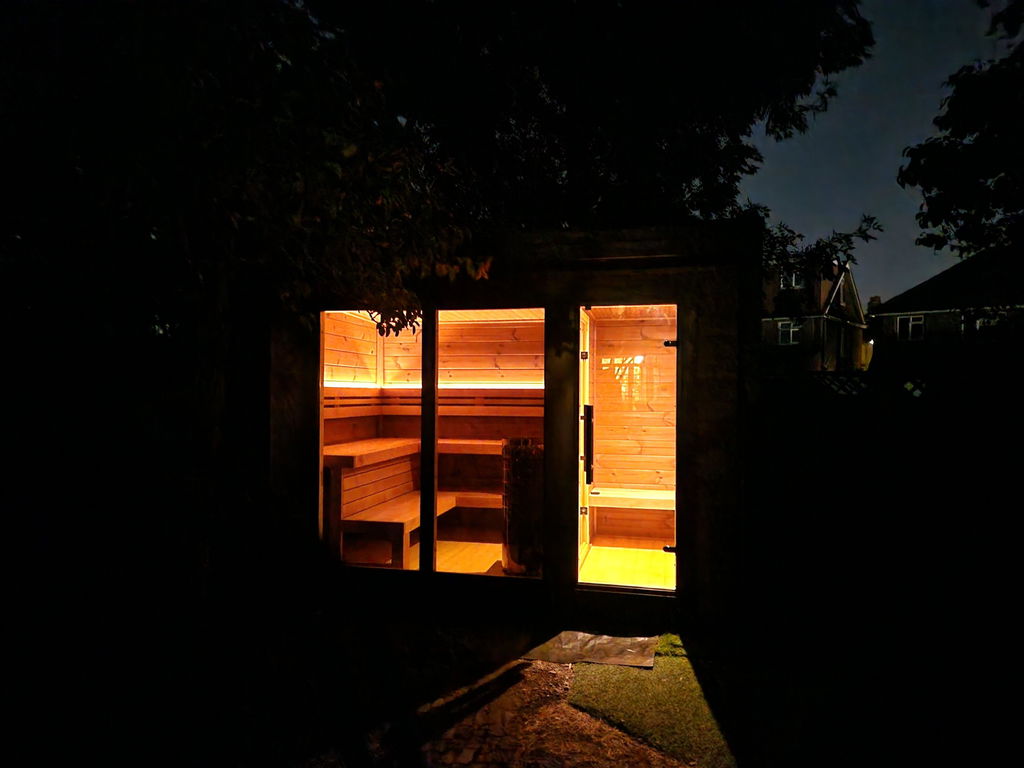
The changing rooms is a lot more spacious than it seems in the photos and definitely a plus for a break without having to go outside.
I recently received the Camilla sauna from Heracles Wellness, and the entire experience, from initial enquiry through to installation and daily use has been absolutely first-class.
A massive thank you to Keith and the wider sales team. Keith was fantastic to deal with: knowledgeable, patient, and completely transparent throughout the process. Keith answered all my questions with genuine expertise and made sure I chose the exact setup suited to my space and needs.
The assembly team deserves equal praise. They arrived promptly, worked cleanly and efficiently, and paid meticulous attention to detail during the build. They treated our property with total respect and took the time to walk us through the controls and maintenance before leaving.
As for the Camilla sauna itself, it has exceeded all expectations!
Stunning Design: It looks gorgeous—the craftsmanship, wood finish, and overall aesthetics make it a real focal point.
Flawless (and easy) operation: It heats up quickly, maintains consistent temperature effortlessly, and delivers an incredible sauna experience every single session. I'm generally having 2-3 sessions as week at ~90deg for 20mins.
If you are considering investing in a high-quality sauna and want seamless customer service from people who genuinely care about what they do, look no further than these guys. I cannot recommend Keith and the entire HW team highly enough!
Absolutely delighted with the modus sauna. Very high quality product. I would highly recommend this model as the kit is high spec, I put it together with my dad who is a tradesman. If you build this yourself I would recommend getting someone who is experienced in tools/building. We got an electrician to install all the heater. Couldn’t fault the customer service with the Heracles and Wellness team who kept me updated with the delivery of sauna and any queries I had. A special mention to Abdullah who has been really efficient. If buying a sauna would highly recommend Heracles and Wellness.
First class service and highly competitive pricing.
The whole process went really well.
We had an issue with the lifter supplied and so it was returned and a timely refund issued.
The delivery team from Trinity spa's were first class too. All highly professional.
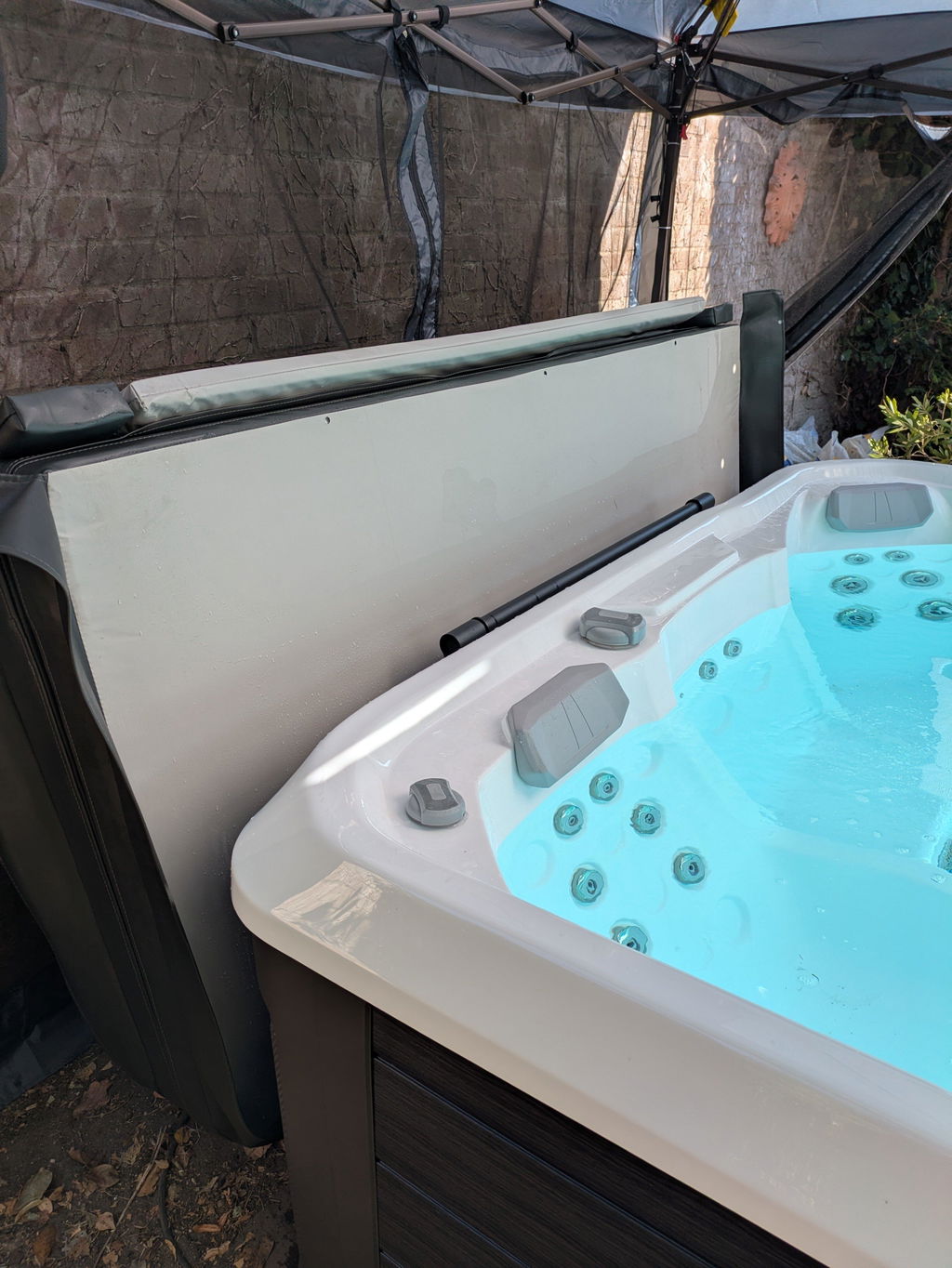
Remember the tub comes without a flex and plug so we purchased from Screwfix Flexi cable 10m coil 3 core 1.5mm and a plug ! Easy installation.
If you purchase a rear mounted lifter, I suggest you add a additional piece of 3" x 2" to attach to the main frame to help support the lifter.
I am running the tub on eco3spa chlorine free products. Water remains crystal clear and odourless.
All in all a great investment and a lot of fun too.
Really pleased with my Camille cube sauna. I did lots of research before purchasing and Heracles came out top. Evem our beach sauna guy sang their praises. Keith and team were great, moving delivery date when I wasn't ready and with lots of advice during our build. Though I had my own joiner I would recommend using their installation team as they have the expertise. We are so happy with the purchase and look forward to enjoying the benefits for many years to come.
The only way to truly rate a product is by considering the whole process start to finish and I will say with all honesty, that I found the information before hand and the purchasing process very satisfying. It certainly helped that the web page was extremely thorough so there was no doubt about what you were receiving.
The delivery was seamless on a date of my choice, and the team of fitters who turned up shortly afterwards, were very polite and friendly. I had concerns over freshly laid grass but I need not have worried. They laid a ground sheet and worked precisely and efficiently to a finish about 4hrs later. Although they left the waste, it was left tidily and made disposing of it a simple task. A real pleasure to deal with tradesmen who clearly enjoyed their work and did it with an old fashioned ethic.
I’ve since treated the outside of the sauna but not the inside so I’m yet to use it but it blends wonderfully in with my garden.
On a final note, I reviewed and researched garden saunas for a long time before deciding that Herecles ticked all my boxes. The materials used plus the extras made it stand out from the crowd and I can honestly say that the reality certainly matched the hype.
Our Camilla 3-4 person suana does exactly as stated on the box. It heats up quickly and you can get in after about 20 min although 30 allows it to reach the temperature we like. I built it myself and found that it went together relatively easily. You have to be a bit careful with the thermowood as it is very brittle and when interlocking the ends can sometimes split away but this is not a real issue if you are careful with it.
I had my local electrician wire up the heater and again that was a relatively simple job.
We have only had two people in it to date but more than enough room for 3 or 4.
Bought a cheap and cheerful cold water plunge pool and works well with the sauna.
Overall very pleased and would recommend one if you are looking at a simple set up for your garden.
They say ‘happy wife, happy life’. Well I can vouch for that, we are both extremely happy with our latest addition to home set-up.
From the beginning the sauna was easy to purchase and get delivered (with in a couple of weeks due to stock levels). I had to hand ball off the lorry as the pallet it comes in was too big for the tail lift but that’s about the most difficult part of the whole process.
Instructions were fairly straightforward though I am a builder so have experience in this sort of thing. But most handy DIYers will find this easy enough to build.
If you plan in the time to paint various woods at different stages of the build it will help. i.e paint interior wall and benches prior to fitting the benches makes its easier to reach those otherwise hard to reach places.
The guys sent a really great link with electrical details needed for your electrician so you can prep ahead of time and get materials in place for their arrival. Think it took my guy about three hours to hook it up.
Quality of the thermo wood is excellent keeps the heat in really well. The Heater is easy to operate and within 20mins it’s ready to jump in. Max heat will in time reach 90+degrees which is too hot for me.
Already have friends and family asking about it.
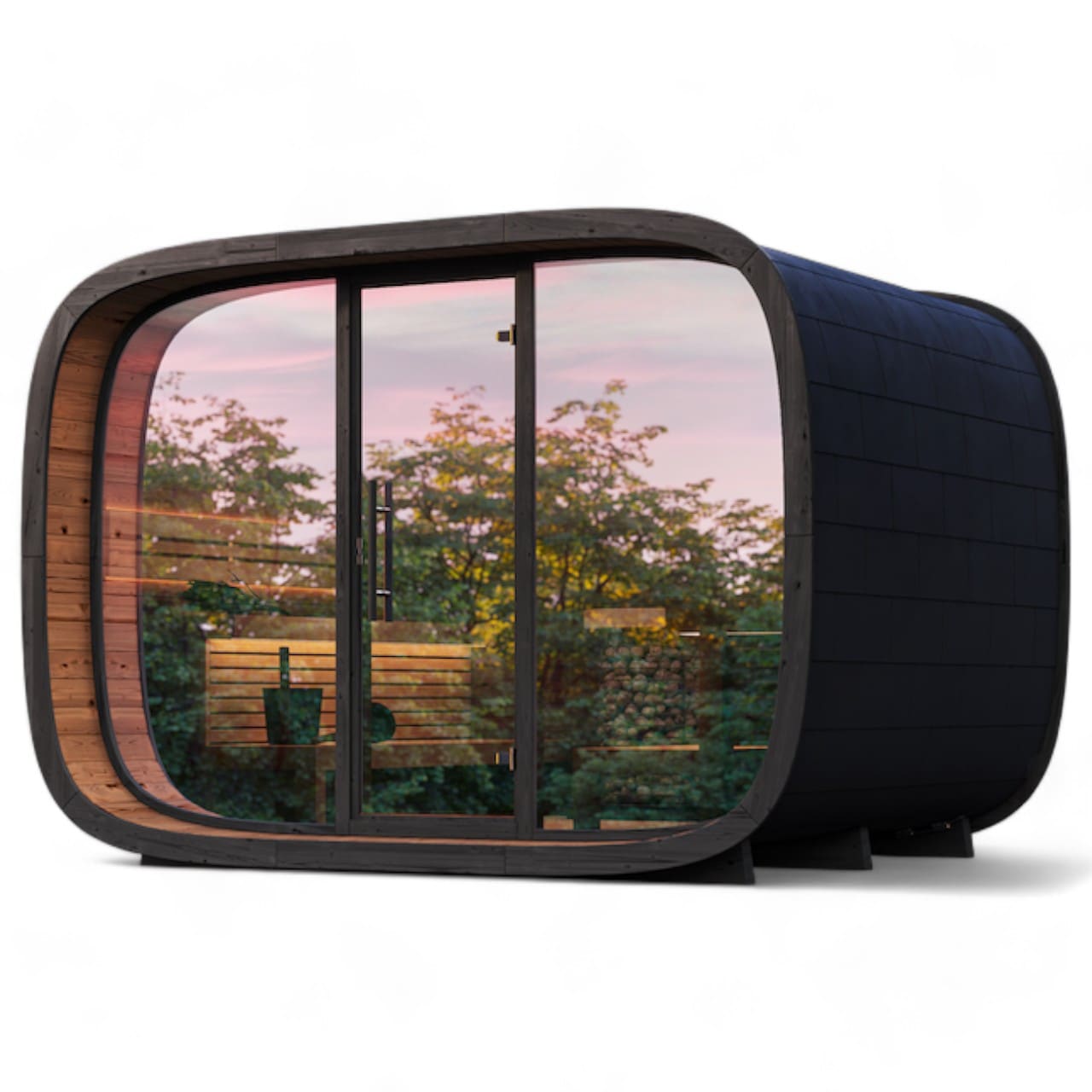
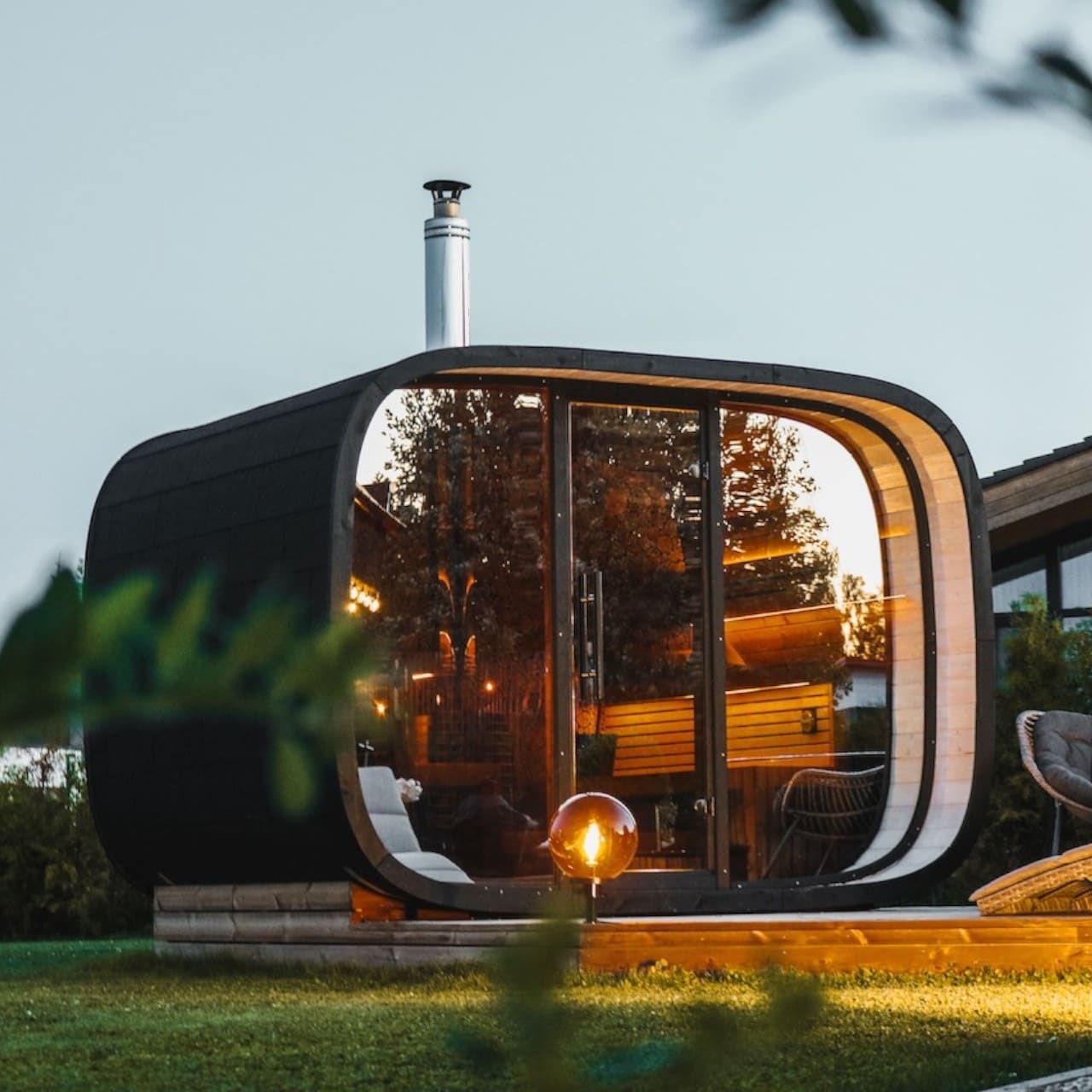
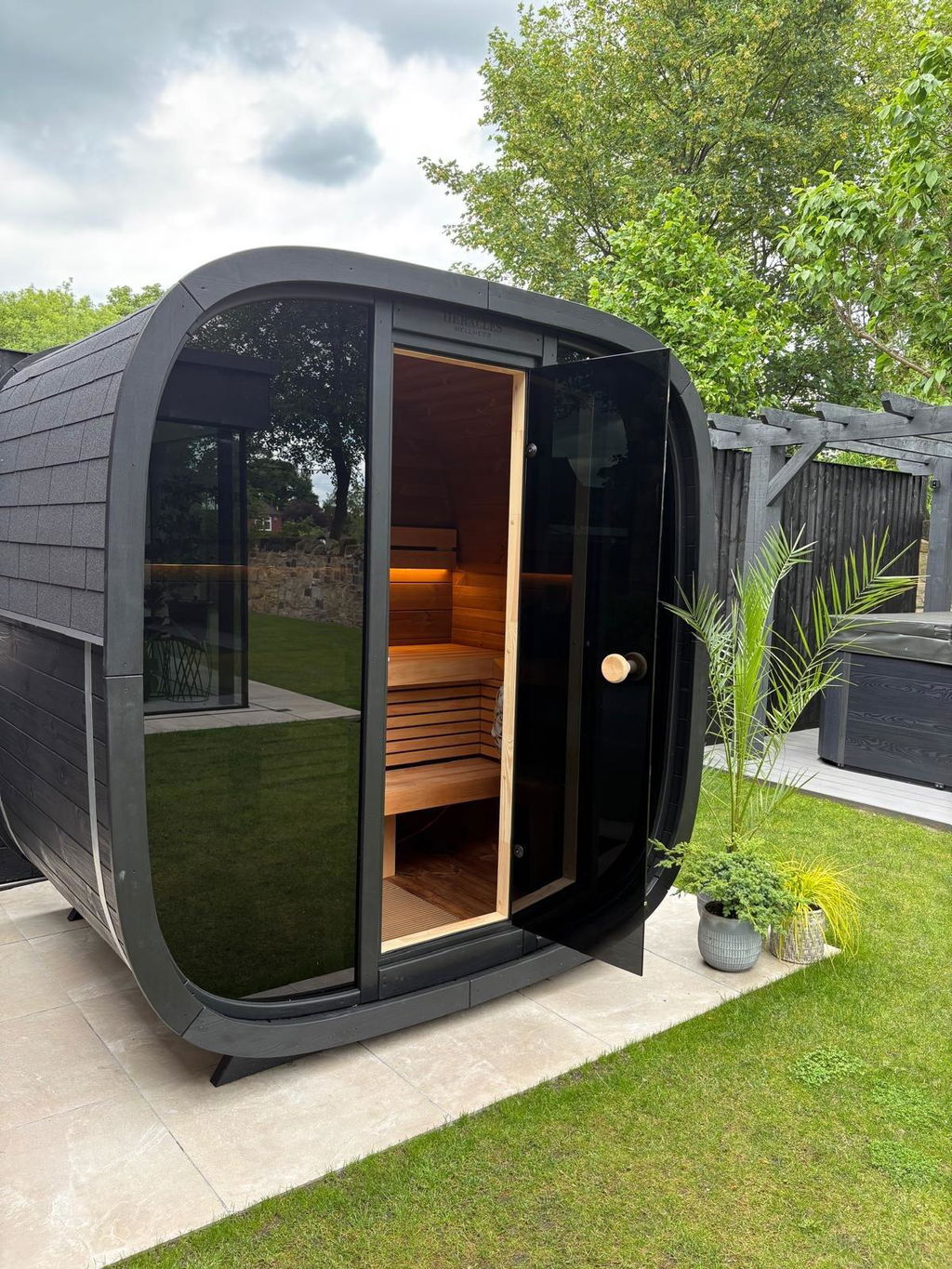
The quality of the black cube sauna really is top notch, from the roof shingles to the heater every component is quality.
Delivery was perfect, on time and professional. The driver contacted me on route with an ETA and went out of his way to help me get the large pallet into my garage.
I chose to build the sauna myself which was relatively straightforward and quite enjoyable. The construction guide was comprehensive and easy to follow.
We use our new sausa almost every day and couldn't be happier.
Would certainly recommend Heracles and the black cube to anyone considering an outdoor sauna.
We are delighted with our sauna. Ordering was easy and we opted for the install option too. Make sure you use electricians willing to ask for advice from the Heracles team if needed as that supports a smooth installation. Really happy that we chose Heracles. You don’t need to spend a fortune to get a quality product that does the job beautifully.
This store specialises in wellness products including saunas, hot tubs, and ice baths. Customers consistently praise exceptional customer service from Keith and the team, who provide expert guidance throughout the purchasing process. Professional installation ...
Adding a hot tub to your garden rewards careful planning well before you hand over any money. The headline price is only part of the picture. Electrical work, groundwork, access,...

“Infrared sauna detoxification” is a phrase you’ll have seen everywhere if you’ve spent any time researching a home wellness kit. Is it a genuine benefit, or just marketing language on...

Finding the right 4-person outdoor sauna is rarely straightforward. You are weighing up materials, heater type, footprint, weather resistance, and a price tag that demands genuine confidence in your decision....

Cold water immersion has moved well beyond elite sport. Browse the routines of amateur triathletes and serious gym-goers across the UK and you will find ice baths sitting comfortably alongside...