

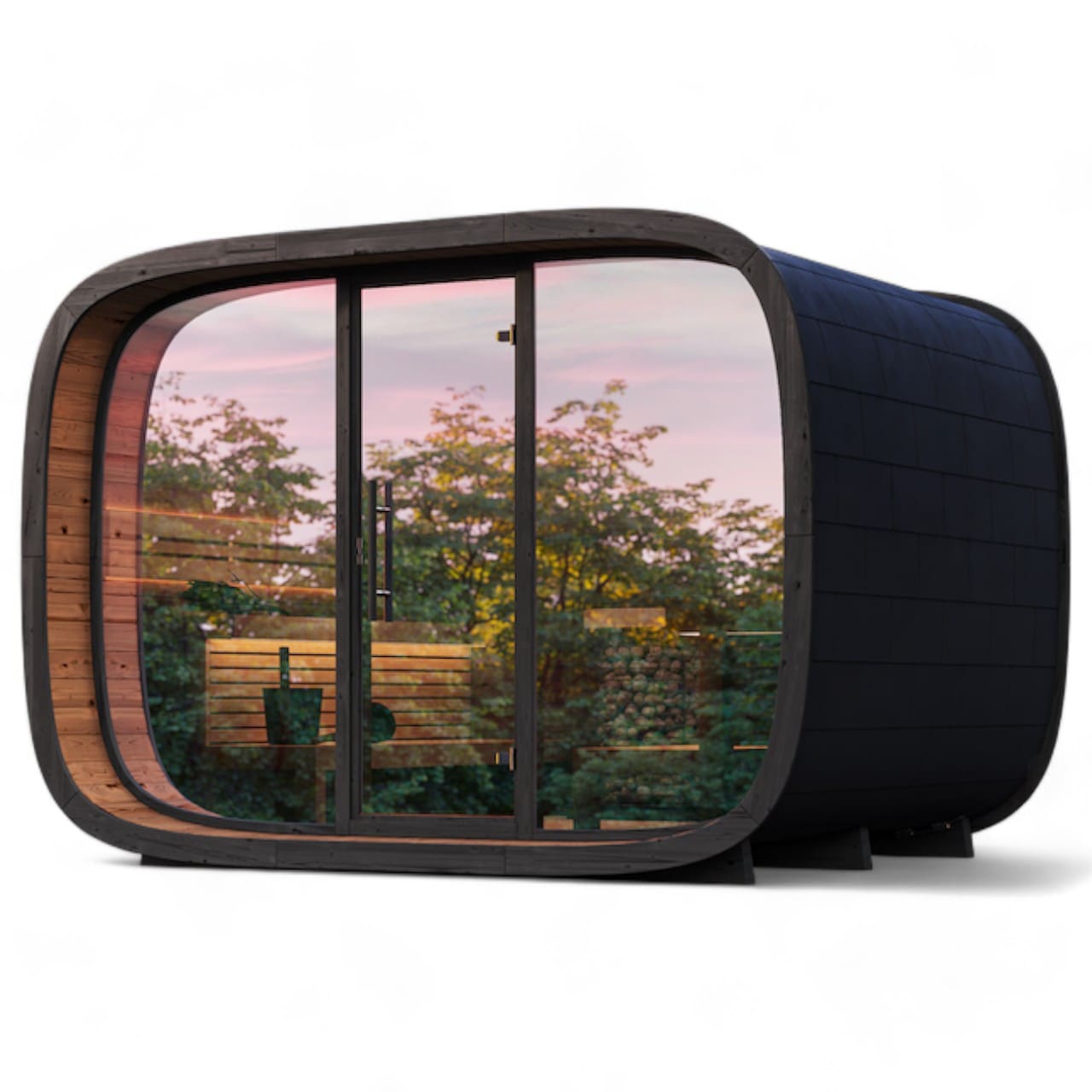
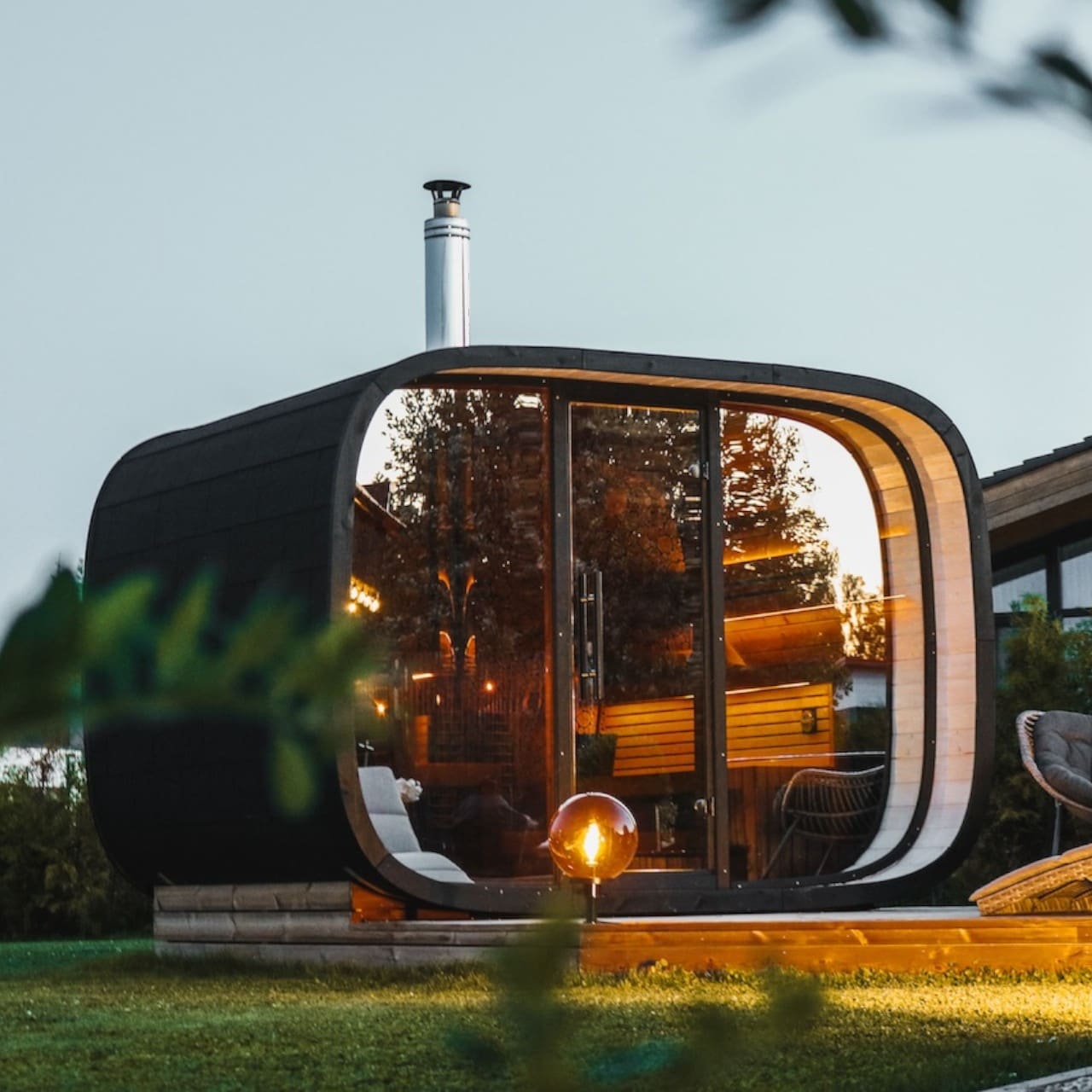


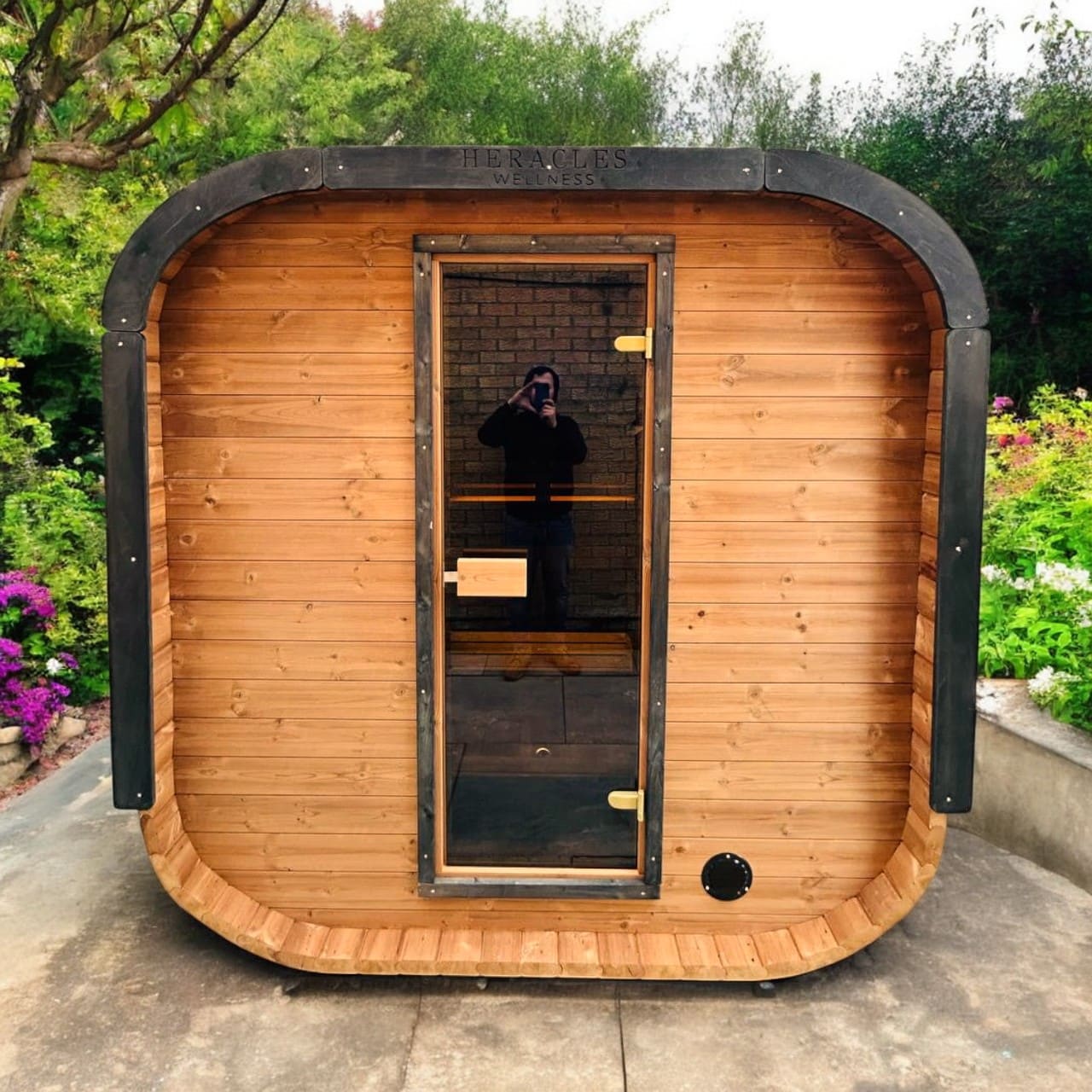

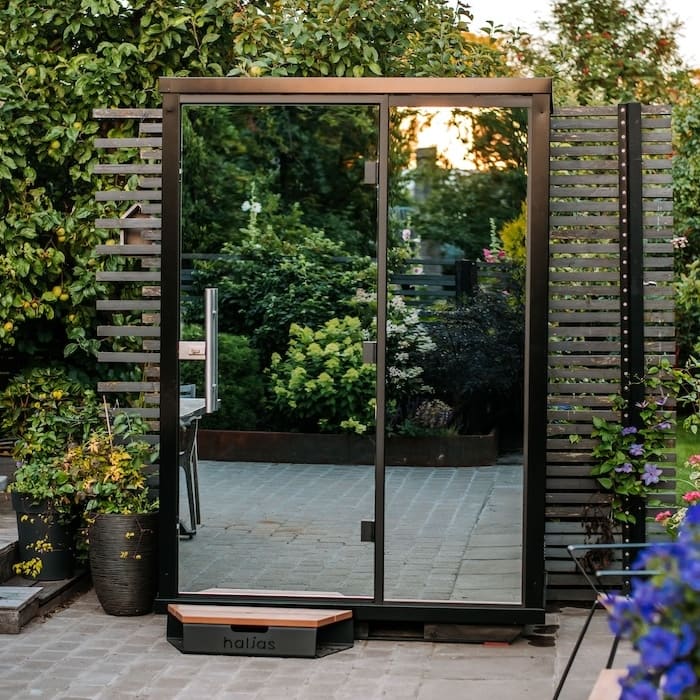
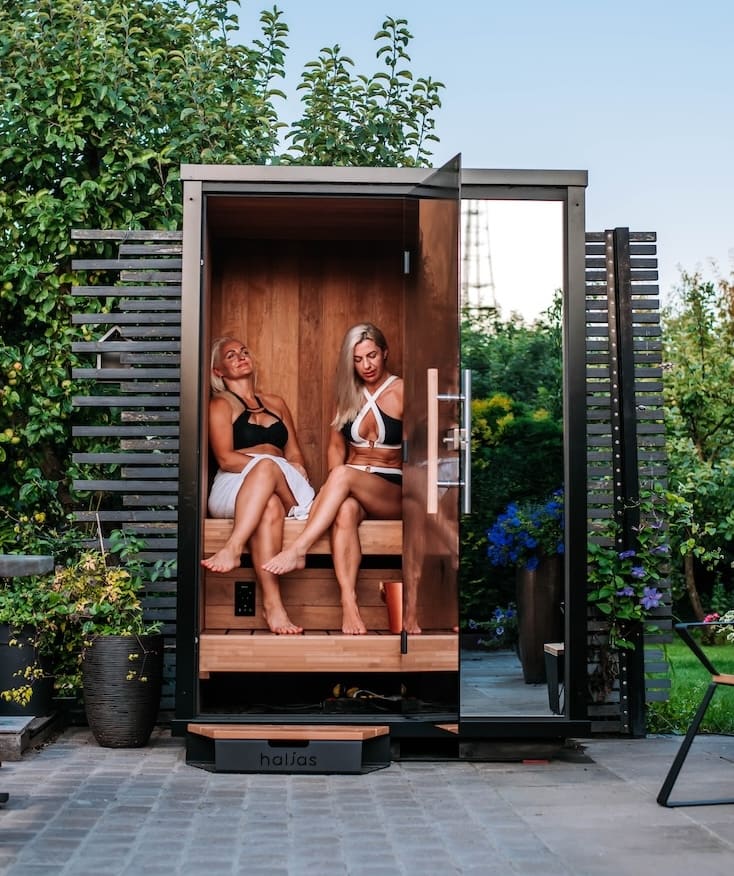


Adding an outdoor sauna to your garden is one of those purchases that changes how you relate to your home. It is not simply a feature - it is a dedicated space for heat, quiet, and recovery that you return to again and again. For UK homeowners who have spent months researching the options, the appeal is clear: a purpose-built wellness space that performs in all weathers, adds genuine value to your property, and pays dividends in how you feel week to week.
The range of outdoor sauna styles available today is broader than most buyers expect. Cabin saunas, barrel saunas, and pod or igloo-shaped designs each suit different garden sizes, aesthetics, and usage patterns. Understanding how they differ is the first step to choosing the right one.
What Makes a Great Outdoor Sauna?
Before comparing sauna types directly, it helps to understand the shared design and material factors that make any outdoor sauna genuinely fit for the British climate.
The Efficiency of the Barrel Shape
One of the barrel sauna’s most practical design advantages is its geometry. The curved interior has no sharp corners where cool air pools, which means hot air circulates more naturally around the entire space. This tends to produce more even warmth at bench height, using less energy to heat unused space above head height.
Quality material
Material choice matters significantly for outdoor installations in the UK climate. Cedar is widely regarded as one of the most practical options because it is durable, naturally resistant to mould, rot, and insects, and holds up well against moisture exposure. That resilience matters in Britain, where saunas face persistent damp, frost, and seasonal temperature swings.
Year-Round Use in the British Climate
A well-constructed outdoor sauna is not a fair-weather feature. Purpose-built outdoor units are engineered to perform year-round, and many sauna owners find the experience most rewarding on a cold, grey British evening. For many users, the contrast between outdoor temperatures and the heat inside the cabin is the whole point.
Traditional Finnish Saunas: The Classic Choice
The traditional Finnish sauna is the original blueprint, and for good reason. This is how it looks:

Photo credit: One of our customers, Jemma
Heated by a wood-burning or electric sauna stove positioned beneath a pile of carefully selected stones, the experience centres on a practice the Finns call löyly, ladling water over the hot rocks to release bursts of steam that raise perceived heat and deepen the bathing session. This rhythm of dry heat followed by waves of steam is what separates a genuine Finnish sauna from every other format.
How the Heating Process Works
A traditional Finnish sauna is heated by a stove and a bed of sauna stones. People pour water over the stones at intervals, releasing the characteristic surge of humid, enveloping warmth that defines the löyly ritual. The room temperature typically ranges from 70°C to 100°C, well above the ambient operating range of infrared alternatives, which warm the body directly via lamps rather than heating the surrounding air to the same degree. The Finnish format delivers an intense, immersive ambient heat that many bathers find deeply satisfying.
The heater itself is the heart of the setup. Electric sauna heaters are sized by kW output based on the room volume they need to heat; a compact cabin of around 4 to 6 cubic metres typically needs a 6 kW to 9 kW heater, while larger rooms of 10 to 15 cubic metres may need 12 kW or more. For outdoor cabins in the UK climate, investing in a well-rated heater from a manufacturer such as HUUM or Harvia is worth it; both brands are backed by manufacturer warranties and are available through Heracles Wellness as an authorised dealer.
Wood-fired heaters are also a practical option for gardens without a convenient electrical supply, delivering an authentic bathing experience without the need for a dedicated circuit.
Who the Traditional Format Suits
Finnish saunas suit homeowners who want the full cultural experience, the heat-steam cycle, the ritual of the löyly, and a room that can comfortably accommodate two or more people for a proper session. They also suit those investing in a long-term garden feature, as a well-built thermowood cabin can last well over a decade in British weather with straightforward seasonal maintenance.
Note:
Hardwired electric heaters require installation by a qualified electrician in line with BS 7671 and Part P building regulations. This is a standard part of the process, and our team regularly helps customers plan for it from the outset.
Barrel Saunas: Efficient and Aesthetic
Having covered the traditional format, it’s worth looking at the style that has become the most popular entry point for first-time buyers. This is how it looks:

Photo credit: Our customer, Jacqui
Barrel saunas occupy a sweet spot that few other outdoor sauna types can match. This distinctive silhouette looks genuinely striking in a garden setting, and the engineering makes the heat work harder for you. If you have been drawn to the curved timber aesthetic you keep seeing on Instagram or in holiday let listings, there are sound practical reasons behind that popularity.
How the Barrel Shape Works in Your Favour
The circular cross-section of a barrel sauna is not purely decorative. Because the walls curve inward, no sharp corners trap cool air. Hot air naturally circulates inside, producing consistent warmth at bench level where it matters. In a conventional rectangular cabin, a portion of the heater’s output is used to heat unused vertical space above head height. The barrel geometry significantly reduces that dead volume, which tends to mean faster heat-up times and more consistent warmth from bench level upwards.
For UK gardens where the goal is a quick session before or after work, that efficiency matters. You won’t wait an hour for the room to reach temperature.
Assembly and Installation
Barrel saunas are typically supplied as flat-pack kits, with the staves and structural components arriving ready to slot together around steel band rings. Most homeowners find the build manageable over a weekend with a helper and basic tools, no specialist carpentry background required.
You will still need a level, solid base, whether that is a concrete pad, treated timber decking, or compacted gravel, and if you choose an electric heater, a qualified electrician must install it to comply with Part P of the Building Regulations.
A Long-Term Investment in Your Property
Beyond the wellbeing benefits, installing an outdoor sauna is increasingly recognised as a meaningful home improvement. A dedicated wellness space adds a private, functional feature that prospective buyers notice, alongside the day-to-day therapeutic benefits you will use far sooner. For homeowners weighing the cost of a barrel sauna against other garden upgrades, that broader return is worth factoring into the decision.
Infrared Saunas: Energy-Efficient Relaxation
Unlike the wood-and-steam tradition, the third major format takes a fundamentally different approach to heat.

If your priority is lower running costs, faster heat-up times, and a gentler bathing experience, consider an infrared sauna. Where traditional Finnish saunas heat the air around you to 80°C to 100°C, infrared saunas use lamps to warm your body more directly, so the cabin operates at a much lower ambient temperature, typically 45°C to 60°C.
How Infrared Heating Changes the Equation
The practical impact of this lower-temperature operation shows up most clearly in your electricity consumption. A conventional outdoor sauna heater works hard to raise the air temperature and heat the sauna stones to the right temperature for löyly, drawing significant power during a session. Infrared cabins, by contrast, rely on lamps rather than a stone-bed heater, which typically draws significantly less energy, a worthwhile consideration if you plan to bathe regularly throughout the week.
Heat-up time is another difference. A conventional electric or wood-burning sauna typically requires 30 to 60 minutes of pre-heating before you step in. An infrared cabin is usually ready in 10 to 15 minutes. For homeowners who want to use their sauna regularly rather than planning sessions in advance, that convenience matters.
Who Suits an Infrared Sauna
Infrared suits bathers who prefer a milder, drier environment. The lower temperatures are often more comfortable for those new to sauna bathing, and the experience tends to feel less intense than a traditional Finnish steam session. That said, the warmth still penetrates effectively, and many users find it well suited to winding down after a long day or supporting post-exercise recovery.
Outdoor infrared cabins are also built for year-round use. A well-insulated unit retains heat efficiently, and the infrared lamps reach operating temperature quickly even in cold conditions, so a British winter is no obstacle.
The trade-off is the bathing character itself. Infrared doesn’t replicate the steam and löyly ritual that defines Finnish tradition. If that sensory experience is central to what you want, a traditional or hybrid model will serve you better. But for energy-conscious homeowners who value convenience and a gentler heat, infrared is a thoughtful, practical choice.
Choosing the Right Outdoor Sauna for Your Home
With traditional Finnish saunas, barrel saunas, and infrared models all covered, the practical question becomes: which one fits your garden, household, and climate? A few key considerations will narrow that down quickly.
|
Traditional Finnish |
Barrel |
Infrared |
|
|
Typical temperature |
70°C–100°C |
70°C–100°C |
45°C–60°C |
|
Heat-up time |
30–60 minutes |
30–60 minutes |
10–15 minutes |
|
Bathing experience |
Full löyly ritual, steam |
Full löyly ritual, steam |
Direct radiant heat, drier |
|
Installation |
Panel or flat-pack, may need an electrician for the heater |
Flat-pack, weekend build |
Panel or flat-pack, lower power draw |
|
Best suited to |
Homeowners wanting the classic Finnish experience |
First-time buyers, smaller gardens |
Energy-conscious buyers, milder heat preference |
Material: Why Wood Choice Matters
The timber your sauna is built from directly affects how long it lasts outdoors in the British weather. Cedar is the most popular wood for sauna construction because it naturally resists mould, rot, and moisture, making it well suited to the damp conditions common across much of the UK. Thermowood, a heat-treated Nordic timber, is another strong choice: dimensionally stable, low-maintenance, and visually striking as it weathers to a silver-grey patina over time.
Neither material requires the intensive upkeep of untreated softwood. Still, cedar tends to retain its warm tone longer without treatment, while thermowood suits those who prefer minimal maintenance from the outset.
Climate and Year-Round Usability
A well-constructed outdoor sauna should function comfortably through every season, and a properly insulated, purpose-built unit is designed to do exactly that. A cold British January shouldn’t stop you from a proper sauna session as the key factors are insulation quality and the heater’s power rating. A higher-kW-output heater will heat a well-insulated room faster on a cold morning.
Size and Capacity
Think about how many people will use the sauna regularly. A two-person barrel sauna suits a couple or solo user, while a four-to-six-person cabin sauna works better for families or social bathing. Match the internal volume (in cubic metres) to an appropriate heater kW rating, and ensure the footprint fits your garden, with clearance on all sides for ventilation and access.
UK Planning Permission
For most homeowners, an outdoor garden sauna will fall within permitted development rights and will not require planning permission, provided the structure meets certain conditions:
- Single storey, situated in the rear garden, not forward of the principal elevation of the house
- No taller than 2.5 metres if positioned within 2 metres of a boundary
- Up to 4 metres with a dual-pitched roof, or 3 metres for any other roof type, if further from the boundary
- Combined with any other outbuildings, garden structures should not cover more than 50% of the garden
These rules apply to most standard English properties, but exceptions exist: listed buildings, conservation areas, and properties in national parks are subject to stricter controls. If you are in any doubt, a quick check with your local planning authority before purchasing is always worthwhile. Our team can also help you talk through the practical considerations; we get this question regularly.
If you’re unsure which type suits your space and lifestyle, the team at Heracles Wellness is available by phone, email, or live chat to talk through your options.
Which Outdoor Sauna Type Is Right for You?
After reviewing the options, here’s how they stack up in practice.
Adding an outdoor sauna to your garden is one of the more rewarding home wellness investments you can make, and the good news is that getting started is more straightforward than most people expect. Whether you are drawn to the löyly ritual of a traditional Finnish session or the clean efficiency of a modern infrared model, each sauna type covered in this guide is designed with the end user in mind.
Barrel saunas are a natural starting point for first-time buyers. Supplied as a flat-pack kit, they remove much of the complexity that puts people off. You don’t need a builder on site or specialist tools; most kits arrive in clearly labelled sections that slot together in a single weekend, making them a realistic project for any motivated homeowner.
For those who want the most authentic experience, the traditional Finnish approach remains a compelling benchmark. Hot rocks beneath a sauna stove gradually fill the room with heat, with water ladled over the stones at intervals to create bursts of soft, enveloping steam. Infrared units simply cannot replicate that sensory ritual in the same way.
Whichever type suits your space and your routine, the most important step is speaking to someone who genuinely knows the products. At Heracles Wellness, our team supports customers from the first question through to delivery and installation.
Leave a comment